Showing posts with label healing. Show all posts

Friday, November 20, 2020

Human ageing process biologically reversed in world first


The ageing process has been biologically reversed for the first time by giving humans oxygen therapy in a pressurised chamber.

Scientists in Israel showed they could turn back the clock in two key areas of the body believed to be responsible for the frailty and ill-health that comes with growing older.

As people age, the protective caps at the ends of chromosomes – called telomeres – shorten, causing DNA to become damaged and cells to stop replicating. At the same time, "zombie" senescent cells build up in the body, preventing regeneration.

Increasing telemere length and getting rid of senescent cells is the focus of many anti-ageing studies, and drugs are being developed to target those areas.

Now scientists at Tel Aviv University have shown that giving pure oxygen to older people while in a hyperbaric chamber increased the length of their telomeres by 20 per cent, a feat that has never been achieved before.

Scientists said the growth may mean that the telomeres of trial participants were now as long as they had been 25 years earlier.

https://www.yahoo.com/news/human-ageing-process-biologically-reversed-153921785.html 

Monday, July 1, 2019

Dandelion Root Kills Cancer Cells

There’s a good chance you have an ancient medicine that is capable of fighting cancer in your yard – and it’s also quite possible that you regularly pull it out or mow right over it. Dandelions might look like weeds, but they could actually be the most valuable thing to ever grow in your garden.
This flowering plant, which may have originated in Eurasia, gets its name from the French “dent de lion”, which mean’s lion’s tooth, on account of its jagged, tooth-like leaves. Known for its high vitamin A content, dandelions have long been used to naturally prevent urinary tract infections as they can impede the growth of microbes within the urinary system.
The plant is known for its liver support, and its tea is often used for detoxification. However, it is the root of the plant that has been getting the most attention lately as its extract has been shown to offer anti-cancer effects. So far, it has killed cancer cells for cancers such as melanoma, pancreatic cancer, leukemia, and colon cancer in animals and lab settings. A phase 1 human clinical trial is already underway to explore its use in end-stage blood cancers like lymphoma and leukemia.
In one study from the University of Windsor in Ontario, dandelion root extract was shown to prompt human melanoma cells to kill themselves within just 48 hours, leaving nearby healthy cells alone. Meanwhile a study published in the International Journal of Oncology found that dandelion tea could reduce prostate and breast cancer cells.
In  addition to its anti-cancer effects, dandelion root can also enhance heart health. Its extract can help treat blood acidity and high blood pressure, and the medicinal root can reduce blood cholesterol and help fat to break down. It can also inhibit inflammation, which is at the heart of many modern chronic illnesses.
The power of the elements: Discover Colloidal Silver Mouthwash with quality, natural ingredients like Sangre de Drago sap, black walnut hulls, menthol crystals and more. Zero artificial sweeteners, colors or alcohol. Learn more at the Health Ranger Store and help support this news site.

How to get the health benefits of dandelion

Dandelion root can be found in capsule, liquid extract or tincture form, and it can even be roasted as a healthy coffee alternative. Although it’s possible to buy prepared dandelion root teas, if you have this plant growing in your yard, it’s quite simple to make the tea yourself. (Unless you use pesticides on your lawn.)
If you want to make your own dandelion root tea, dig the root of the plant up carefully and rinse it off, then chop it up or grind it finely. Food Revolution Network suggests that you use anywhere from half a teaspoon to a full teaspoon at a time, placing it inside a tea bag and steeping it in boiling water for 20 minutes. If you need to harvest a lot at once, you can dehydrate it and store it. They suggest drinking two cups of dandelion root tea per day.
Of course, you can also consume the greens. They’re great in salad, or you can add them to soup or even a smoothie to get more vitamins A, B6, K and C, along with calcium, riboflavin, folate, magnesium, manganese, iron and potassium, among other nutrients.
Stop letting this amazing cancer-fighting plant go to waste and start experimenting with ways to include dandelion in your diet for better health.
Sources for this article include:
FoodRevolution.org
Naturalpedia.com
NaturalNews.com

Read more: https://www.naturalnews.com/2019-06-27-ancient-cancer-fighting-medicine-growing-in-your-yard.html

Wednesday, July 11, 2018

Comprehensive study confirms the cardioprotective effects of blueberries and strawberries

If you’re concerned about a heart attack, there are lots of steps you might take to reduce your risk. Perhaps you’re already exercising and eating a healthy diet, but you’d like to give your efforts that extra edge. Before your doctor convinces you to start taking a long-term regimen of risky medications that may or may not actually be effective, why not turn to nature for an alternative that is as delicious as it is powerful?
A study carried out by researchers from Harvard Medical School revealed just how much two particular berries can help reduce a person’s risk of heart attack: strawberries and blueberries. They looked at health data from more than 93,000 women aged 25 to 42 who participated in the Nurses’ Health Study, which included information about their diet and health over the course of 18 years.
They discovered that the women who ate the fewest blueberries and strawberries had the highest risk of having a heart attack, while those who ate the most of these berries were 34 percent less likely to have a heart attack. Consuming the berries regularly brought about the positive health benefits, and those with the healthiest hearts tended to eat at least three cups per week of the two fruits combined, on average.
These benefits came about regardless of other risk factors like alcohol intake, smoking, exercise, family history of heart attack, age and high blood pressure, which means you can increase your risk even further by combining a boost in your berry intake with other healthy changes.
Studies in mice have also shown blueberries’ value in heart health. Researchers from the University of Maine found that mice who were fed a blueberry-rich diet had significant improvements in how easily their veins expanded and constricted, which had a blood pressure-lowering effect.
Support our mission and enhance your own self-reliance: The laboratory-verified Organic Emergency Survival Bucket provides certified organic, high-nutrition storable food for emergency preparedness. Completely free of corn syrup, MSG, GMOs and other food toxins. Ultra-clean solution for years of food security. Learn more at the Health Ranger Store.

How do berries help your heart?

It is believed that their power comes from their high content of the flavonoids known as anthocyanins. These antioxidants can lower blood pressure and increase the flexibility of blood vessels.
Should you run out and buy supplements that contain these flavonoids? The scientists say no; they work best when you get them from the whole foods themselves, and organic varieties will give you more nutrients without the pesticide risk.
This is excellent news for people with heart concerns because berries are so easy to incorporate into your diet. Of course, a commercial blueberry pie isn’t going to do your heart any favors with its trans fats and high sugar content, but thankfully berries work so well with a number of healthy dishes.
For example, you can get your daily dose at breakfast by mixing some berries into your organic oatmeal or yogurt – be sure you sweeten it yourself with a bit of organic honey rather than buying the sugar-laden prepared varieties. You can work berries into your lunch or dinner by adding them to a salad; they pair extremely well with leafy greens like spinach, and you can make your own quick dressing with balsamic vinegar and extra-virgin olive oil to enhance their flavor and consume some heart-healthy fats. If you’re not inclined to cook, you can munch on a handful of berries as an easy snack at any hour.

Benefits of berry consumption extend beyond your heart

There are plenty of benefits to be gained by eating more berries, and they extend far beyond your heart. For example, regular blueberry consumption has been linked to a lower risk of Alzheimer’s disease, macular degeneration, and urinary tract infections, while strawberries have been found to support the brain, eyes, muscles, joints, and immune system.
Read Fruits.news for more coverage of the healing properties of raw fruits.
Sources include:
NaturalHealth365.com
NaturalNews.com

Read more: https://www.naturalnews.com/2018-07-08-comprehensive-study-confirms-the-cardioprotective-effects-of-blueberries-and-strawberries.html

Sunday, March 4, 2018

Rice is contaminated with Arsenic from pesticide from growing cotton - avoid

Studies have found alarming levels of arsenic in rice. Find out which types of rice have the most arsenic and steps you can take to protect yourself and your family from harm.
For many people, rice is a simple, comforting food. In Asia, rice is an ancient symbol of wealth, success, fertility, and good health.
And for more than half the world’s population, rice is a staple food, making up a large portion of people’s diets.
Brown rice is often considered a healthy choice. It’s a whole grain and a good source of fiber and important nutrients, such as magnesium, selenium, and manganese.
And rice is also sometimes recommended to eat when you’re sick. (I used to love soup with rice when I wasn’t feeling well.)
But there’s a dark side to rice you may not know.
Most of the rice today, whether white, brown, wild, organic, or conventional, is contaminated with arsenic — one of the world’s most toxic poisons.
How did this basic, wholesome food become contaminated? How should you change your cooking and eating habits? Should you give up rice for good?

First, What is Arsenic?

Arsenic is naturally present in the environment. This mineral occurs in the Earth’s crust and is found in soil, water, plants, and animals.
So maybe you’re wondering: How can it be bad if it’s natural?
For one thing, humans have complicated this issue by adding more arsenic to the soil through pesticides and fertilizers.
And arsenic exists in two forms: organic and inorganic. In this usage, organic does not refer to a type of farming. It’s a chemistry term.
Arsenic combined with carbon is organic and mainly found in plant and animal tissues. On the other hand, arsenic with no carbon (and combined with other elements) is inorganic and mainly found in rocks, soil, or water.
Here’s the main thing you need to know: While the toxicity of arsenic varies widely — and both are considered public health concerns — inorganic arsenic is generally considered more toxic than organic arsenic.
Inorganic arsenic has been recognized as a human poison since ancient times. It’s the type most often used in pesticides and fertilizers.
It’s also found in a variety of foods. Chickens are often fed arsenic-containing drugs to make them grow faster. But one of the most common food sources of inorganic arsenic is… you guessed it: rice.
More on why so much arsenic is in rice and what this means for you a little later.

So, How Harmful Is Arsenic?

You can’t tell if arsenic is in your food or drinks because both organic and inorganic arsenic have no smell or taste.
Most of the organic and inorganic arsenic you ingest will leave your body in a few days, according to a statement made by the CDC and information published by the World Health Organization.
But some of the inorganic arsenic (the kind of more concern) will remain in your body for months or even longer.
And frequent exposure to inorganic arsenic, even in low doses, can cause health concerns. Small doses can cause stomach aches, headaches, drowsiness, abdominal pain and diarrhea, and confusion. And larger doses create more serious problems.
Inorganic arsenic can even be deadly. In fact, in ancient Greece, arsenic was often used as a poison for criminals. A dose the size of a pea was found to be fatal.
Long-term exposure to arsenic has been linked to numerous health issues, including:

Arsenic Is Also A Known Human Carcinogen

Arsenic is linked with many types of cancer, including skin, lung, bladder, liver, and kidney, with evidence suggesting lung cancer is the most common cause of arsenic-related mortality.
The International Agency for Research on Cancer classified arsenic as a category 1 carcinogen, meaning it’s known to cause cancer in humans. The U.S. EPA has also determined that inorganic arsenic is carcinogenic to humans.

Arsenic Is A Concern for Pregnant Women and Children

For pregnant women, babies, and children, the situation may be even worse.
Pregnant women who are exposed to arsenic may put their unborn babies at risk of having compromised immune systems while in the womb and in early life.
The U.S. Food and Drug Administration found that high levels of inorganic arsenic during pregnancy are linked to numerous adverse outcomes. For example, exposure to arsenic during pregnancy and infancy can impair a child’s performance on developmental tests.

Arsenic In Rice: Should You Be Concerned?
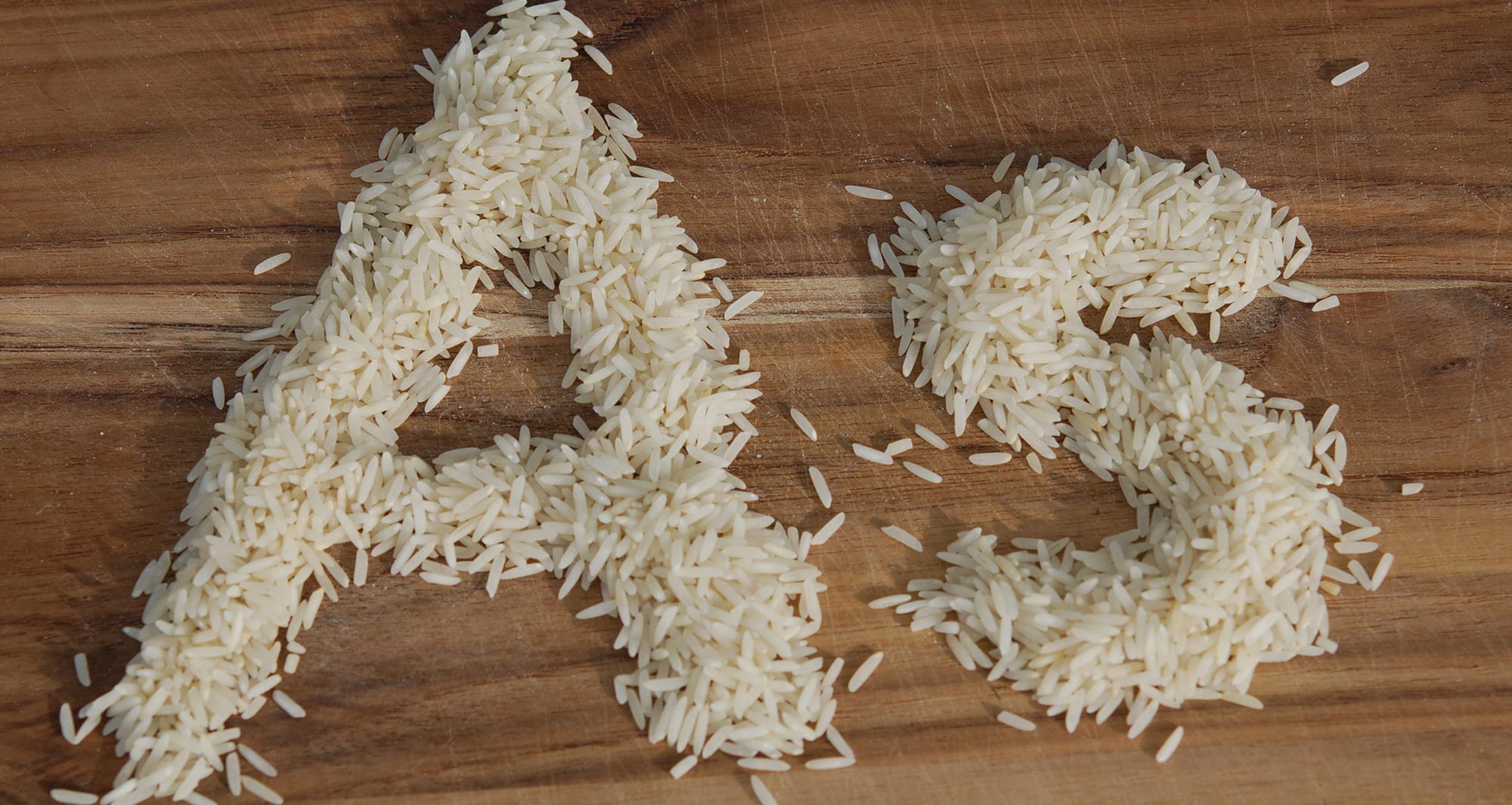
rice in shape of the letters "As"
Rice is an easy, enjoyable food that can bulk up a meal for pennies. But should you stop eating it to avoid the health risks from arsenic?
Consumer Reports tested 223 samples of rice products and found significant levels of arsenic in almost all of them, including white, brown, parboiled, jasmine, basmati, and other types of rice.
Arsenic was found in rice whether it was grown organically or conventionally — and from all regions of the world.

What About Brown Rice and Wild Rice?

Brown rice is generally healthier than white rice (which is stripped of its outer layers, fiber, and beneficial nutrients).
But according to Consumer Reports, brown rice had 80% more arsenic than white rice. Arsenic, along with many valuable nutrients, tends to collect in rice’s brown outer hull.
Wild rice may contain less arsenic, but it depends on the water where it grows.

What About Organic Rice?

Organically-farmed rice may contain fewer pesticides, but all rice soaks up arsenic from the soil.
So organic rice will have fewer toxins overall. But it won’t likely have lower levels of arsenic unless the soil it grew in was never exposed to arsenic — not even 50 years ago.

Which Rice Has The Least Arsenic?

Basmati rice from California, India, or Pakistan is the best choice, according to Consumer Reports data. These types of rice have about one third of the inorganic arsenic compared to brown rice from other regions.
Rice grown in Arkansas, Texas, Louisiana, and most other U.S. states had the highest inorganic arsenic levels. So it’s best to minimize or avoid rice grown in these areas.
You can also check company websites and contact rice companies to see if they conduct independent testing for arsenic levels in their rice.
One brand in particular, Lundberg Farms, is transparent about the problems of arsenic in rice. Their CEO wrote a letter about the issue and how the company is addressing it.

How Does Arsenic Get In Rice?
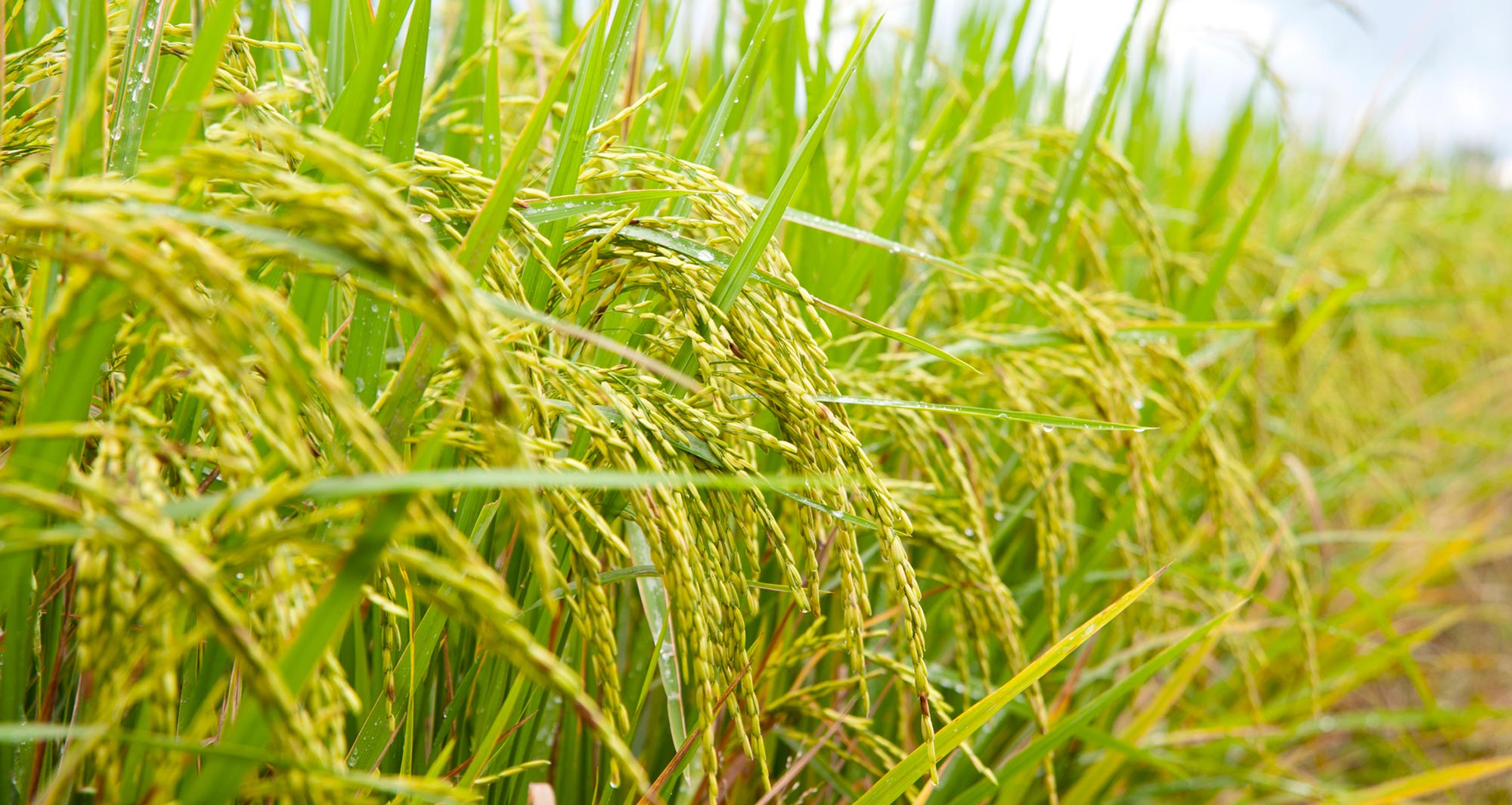
rice field
When arsenic is in the soil, all plants will absorb some of it. But rice is different.
Because it’s grown under flooded conditions (where irrigation water is often contaminated with arsenic), rice absorbs more arsenic than other food crops.
Arsenic-based pesticides were heavily used on crops for decades. And inorganic arsenic can persist in the soil indefinitely.
Even if farmland has been growing organic food for decades, if it was ever exposed to arsenic-contaminated pesticides, these toxins may still persist in the soil today.
Inorganic arsenic compounds and most arsenic-based pesticides have now been banned in agriculture in the U.S. But some may still reach Americans by way of other countries.

Can Arsenic Be Removed from Rice?
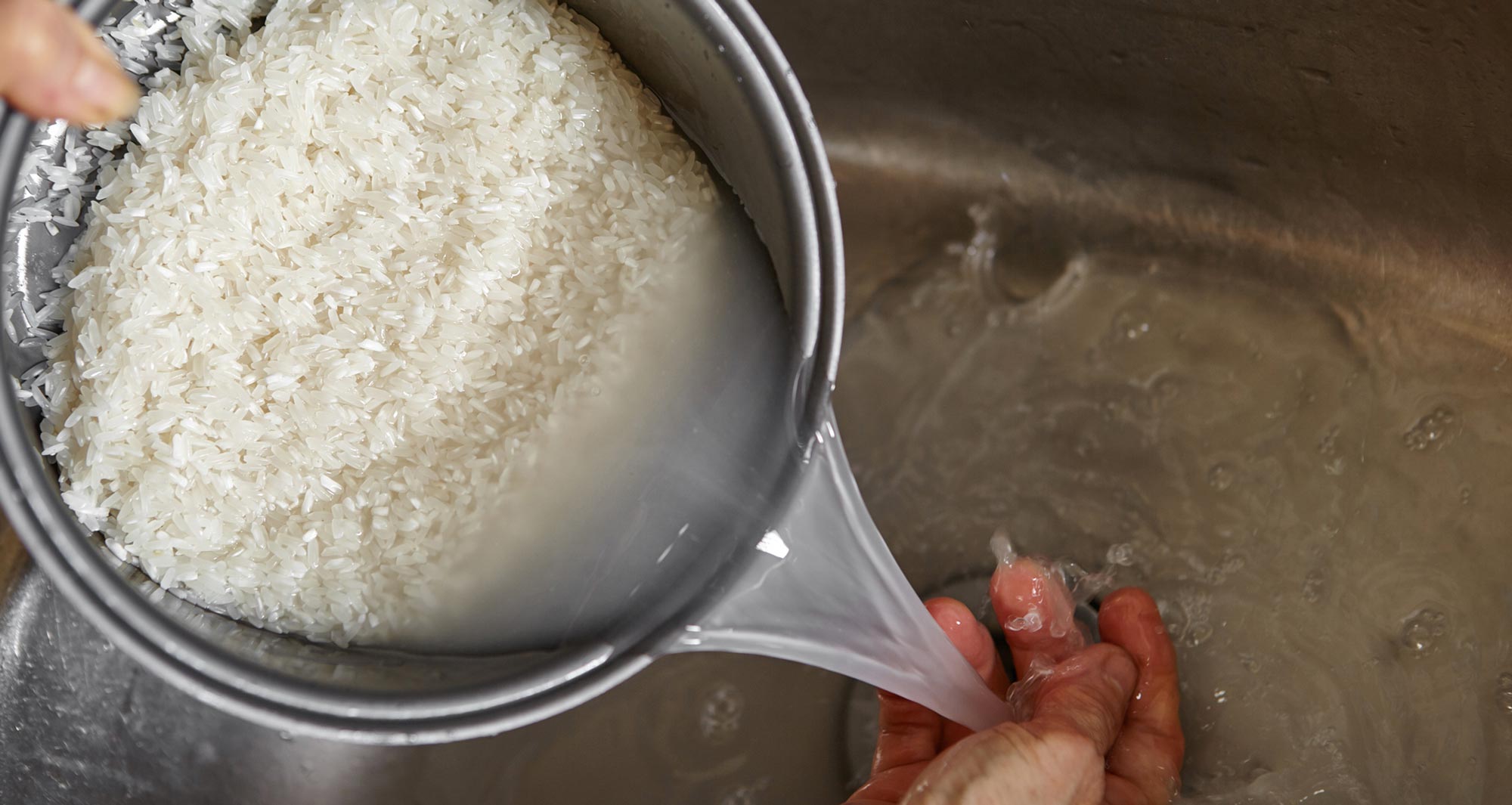
rinsing arsenic off of rice
To some extent, arsenic can be washed off. Arsenic is water soluble.
Published studies indicate that cooking rice in excess water (from six to 10 parts water to one part rice), and draining the excess water, can reduce 40 to 60% of the inorganic arsenic content, depending on the type of rice.
And a 2015 study published in PLOS ONE, found a cooking method that reduced arsenic by 85%. They used a filter coffee maker to pass the hot water through the rice as it cooks.
But rinsing rice does remove some of the valuable nutrients.
According to the FDA, rinsing rice may reduce the levels of some nutrients, including folate, iron, niacin and thiamin, by 50 to 70%.
And nutrients were lost during the the coffee filter experiment, too. Approximately 50% of the potassium and 7% of the phosphorus were lost. But the levels of calcium, copper, iron, manganese, sulphur, and zinc did not change significantly.

How to Reduce Arsenic in Rice

If you decide to eat rice, you may want to take these steps:
  1. Choose organic basmati rice from California (or India and Pakistan) if possible.
  2. Rinse rice thoroughly or even better soak it for 48 hours before cooking it, pouring off the water and rinsing it every 8 to 12 hours (like soaking beans).
  3. Cook rice in 6 to 10 parts water to one part rice.
  4. When the rice is done, drain off the extra water after cooking.
Or if you want to try making rice in a coffee maker, Quartz has suggestions here.
Water is often contaminated with arsenic as well, so using filtered water is best. (Learn more about the importance of clean drinking water.)
And think about adding variety to your diet and trying more alternatives to rice.

Rice Recommendations for Parents

The FDA issued a statement discouraging parents to not use rice and rice cereals as a primary food due to arsenic contamination.
Instead, the agency advises parents to feed kids a variety grains and other foods.

Remember Rice Products, Too


High levels of inorganic arsenic have been found in many rice products, too.
For example:
  • Rice milk
  • Brown rice syrup
  • Rice-based pasta
  • Bread made with rice
  • Cereals made with rice
  • Crackers made with rice
  • Cereal bars with rice or brown rice syrup
So it’s important to consider reducing the amount of all rice products you’re eating.
According to tests by Consumer Reports, only one serving of rice cereal or rice pasta could put kids over the maximum amount of rice they recommend in a week.
And rice cakes give kids close to a weekly limit in only one serving!

Why Gluten-Free Eaters Should Be Concerned

If you eat a gluten-free or gluten-reduced diet, you probably know that many products marketed as “gluten-free” contain rice.
People who eat a gluten-free diet or gluten-free products may be more likely to have higher arsenic exposure.
In fact, according to a 2017 study published in the journal Epidemiology people who reported eating a gluten-free diet had, on average, almost two times the amount of arsenic in their bodies compared to people who weren’t gluten-free.
When you buy packaged foods, you may want to check the ingredients for rice and eat less of these foods.
And remember, many healthy foods are naturally free of gluten, such as fresh, whole fruits and vegetables and other gluten-free grains.

Do Other Grains Contain Arsenic?

Consumer Reports also looked into whether grains other than rice have concerning levels of arsenic.
Amaranth, buckwheat, millet, and polenta (grits) had negligible levels of inorganic arsenic. Bulgur, barley, and farro also had very little arsenic.
Quinoa had much lower levels than any of the rice they tested, but the amount varied depending on the sample.

Alternatives to Rice You Should Try

There’s a whole world of grains and other foods worth trying. Why consume mostly rice when you have so many exciting and delicious options?
Here are seven healthy rice alternatives worth trying:

Oats: A Hearty and Affordable Breakfast

Oats and oatmeal are packed with protein and are great for digestion. Eating them can also help you feel full.
Oatmeal makes a popular breakfast option, but try having a bowl anytime when you’re hungry. Or add some oats to your smoothie or smoothie bowl to make it more satisfying.
For a new idea, try these Gluten-Free Oat Waffles.

Quinoa: A Nutty and Wholesome Seed with A Slight Crunch

Quinoa, a pseudograin, has even more fiber and protein than rice. You can serve it like you would rice — plain, seasoned, in casseroles, or with a stir-fry.
And it cooks in about half the time as brown rice (about the same time as white rice). But remember this: When you cook quinoa, try rinsing it first. Rinsing will remove a bit of bitter taste, yielding a sweeter and tastier grain.
You might enjoy this Crustless Quinoa Quiche for breakfast.

Barley: One of The Oldest Consumed Grains in The World

If you’ve had barley, you’ve probably had it in a soup. But this high-fiber grain can do more.
It can work like rice in a number of dishes. Eat it plain as a side or turn it into a pilaf. (Barley does contain gluten, so if you’re gluten-free, you’ll want to avoid it.)

Millet: A Nutritional Powerhouse
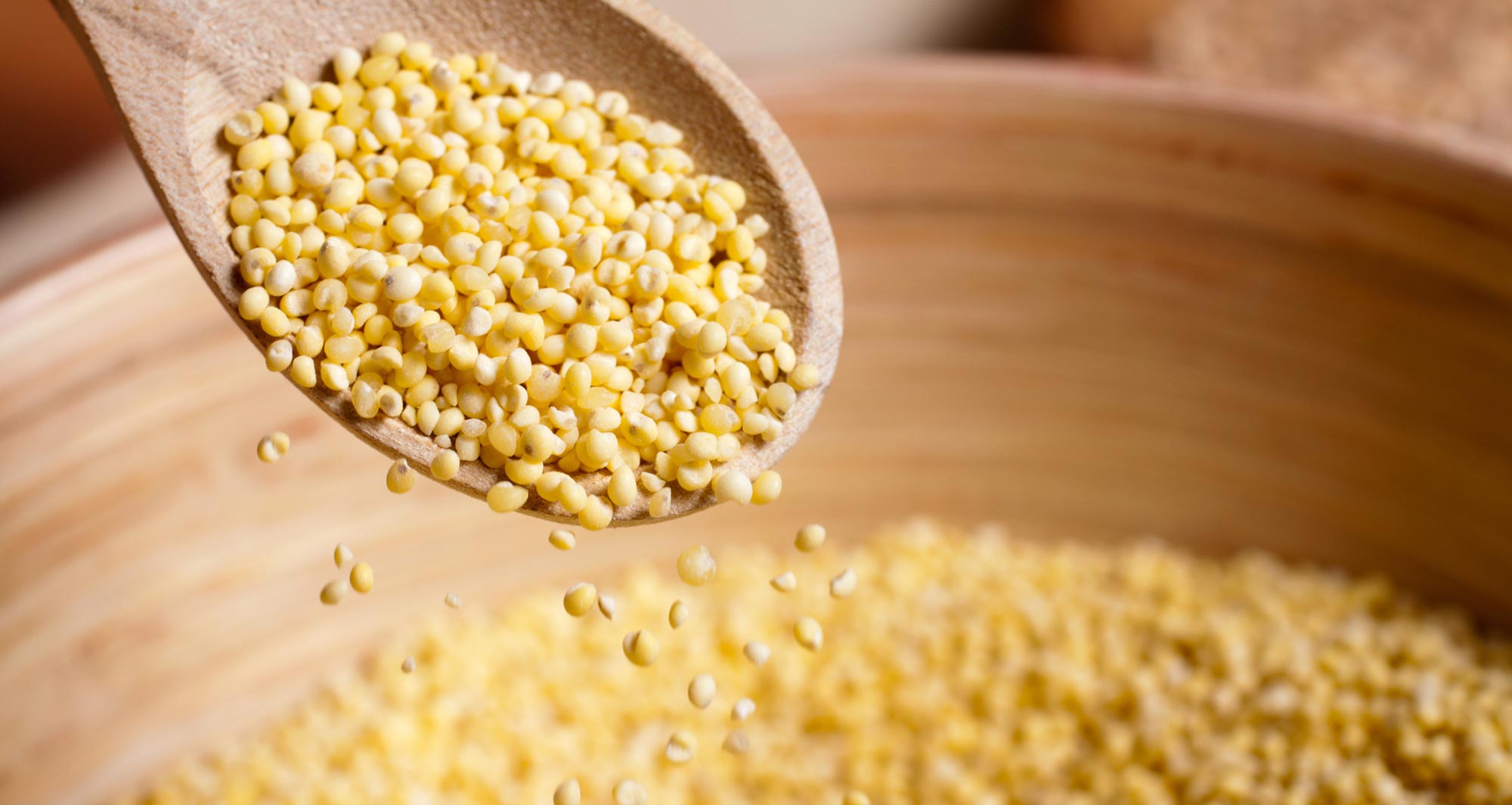
closeup spoonful of millet
Hailing from China, this tiny seed is prized in Africa and South America for its nutrient profile and its culinary flexibility.
The definition of fluffy, millet lends itself well to porridges, sides, and even as a gluten-free base for bread and baked goods.
It also grows in areas with poor soil, making it an excellent tool in the fight against world hunger.

Teff: Said to Be The Tiniest Grain on Earth

A staple in Ethiopian cuisine, teff is a tiny brown grain that packs a hearty nutritious punch.
It cooks more like a porridge than a fluffy side of rice. But its nutty flavor and versatility make it a welcome reprieve from dinner routines.

Amaranth: You May Not Know It, But Can Find It In Most Grocery Stores

Amaranth, also a pseudograin, looks similar to teff and has a slightly sweet and nutty flavor. Plus, it’s higher in minerals than many vegetables.
From savory to sweet, you can use this seed in a variety of dishes or as a thickener for sauces, soups, and stews.

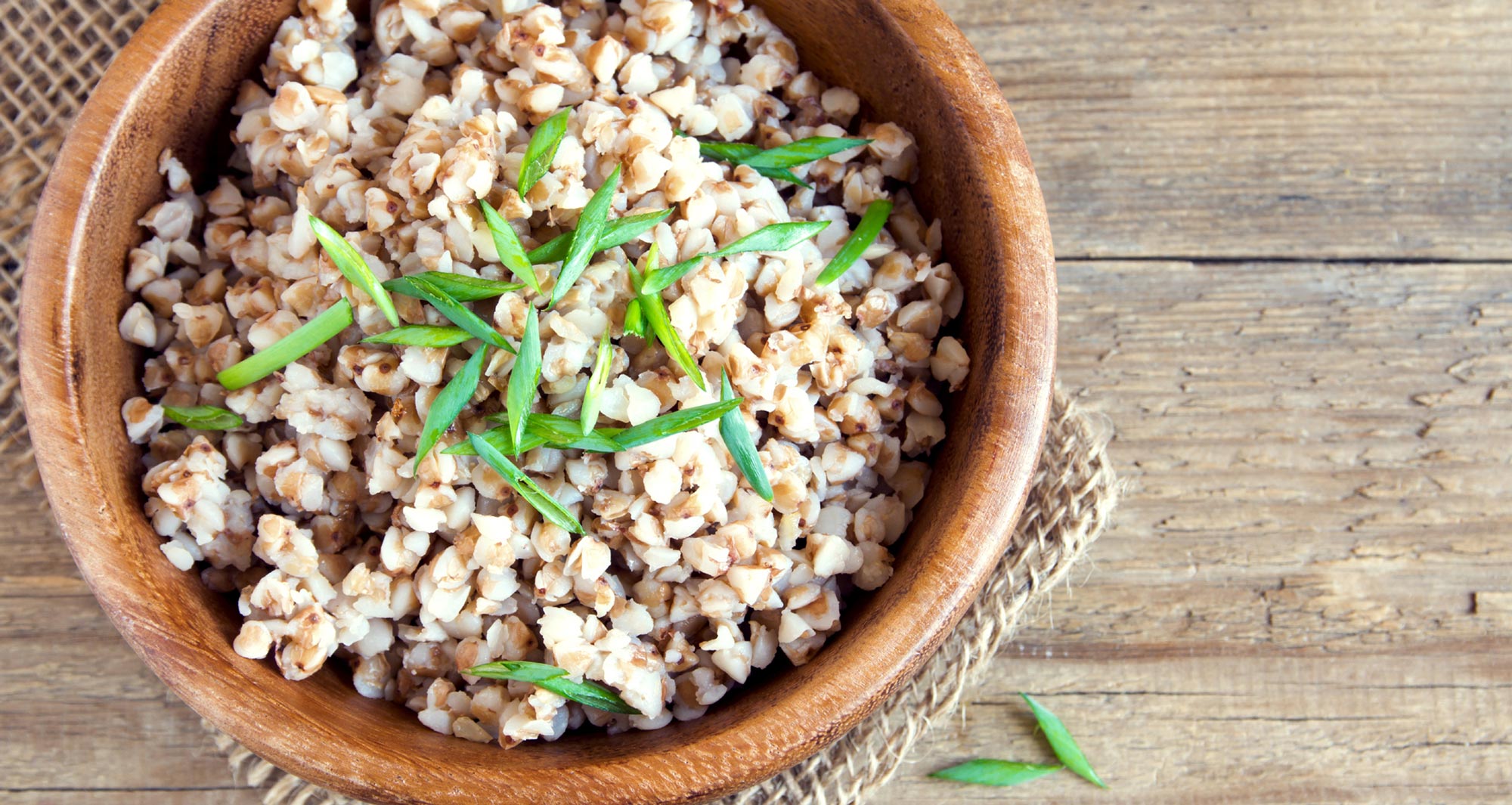
Buckwheat: A Grain Not Related to Wheat
bowl of buckwheat
Despite its name, buckwheat is gluten-free because it’s a pseudograin. It’s similar to quinoa, yet it’s larger and softer.
Buckwheat is loaded with protein — more than any other grain except quinoa. It’s also an excellent source of vitamin B6, magnesium, and potassium.
Looking for a good idea? Try this Harvest Buckwheat Salad.

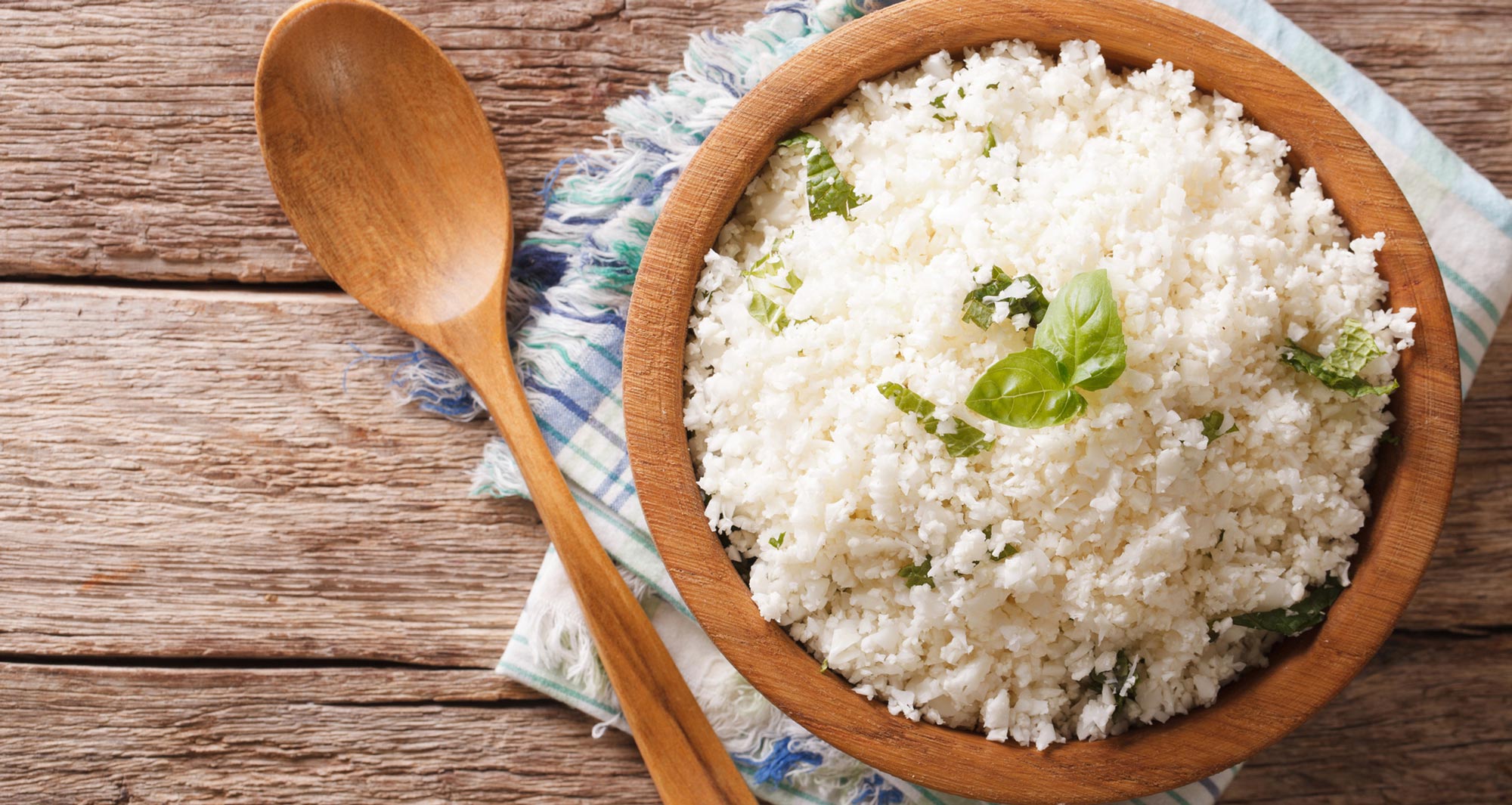
Cauliflower Rice: Easy to Make and Light and Fluffy
bowl of cauliflower rice
Minced or “riced” cauliflower looks like rice, but it’s totally veggie-powered.
Eating cauliflower rice can be a healthy way to enjoy the outstanding nutrient density of cauliflower while also avoiding arsenic and having your “rice,” too.
But how do you make it? Try this Cauliflower Rice recipe.

Healthy Eating Can Protect You From Arsenic (And Other Contaminants, Too!)

Eating healthy foods and keeping your gut happy and healthy will help your body eliminate toxins and protect you from harm.
Specifically, cruciferous veggies like broccoli, cabbage, kale, and arugula can help. They contain a compound called sulforaphane, which studies have shown can assist with protection from and elimination of arsenic, other heavy metals, and pesticides.
And a 2014 study published in Asian Pacific Journal of Tropical Biomedicine found that moringa (often consumed as a powder) may be useful in reducing the risks of arsenic.

Should You Give Up Rice for Good?


Professor Andy Meharg of Queen’s University Belfast (who has been studying arsenic for decades) equated arsenic to smoking. He told the BBC:
“It’s dose-dependent — the more you eat, the higher your risk is.”
Overall, your best bet is to reduce your rice consumption to about one time per week, rotate in other grains, and aim for a healthy, balanced diet to help your body defend itself from harm.
Most likely, you don’t need to cut out rice completely in order to reduce your exposure significantly.

Read more: https://foodrevolution.org/blog/arsenic-in-rice/?utm_campaign=frn18&utm_medium=email&utm_source=email-automated&utm_content=3531&utm_term=existing-email-list&email=subzerohc%40yahoo.com&firstname=john&lastname=Zahos

Monday, February 26, 2018

Violent crime is down where marijuana use is up, according to new study

New research revealed that increasing the use of medical marijuana brings down the number of violent crime in states bordering Mexico, reported The Guardian.
A study published in The Economic Journal investigated the effects exerted by medical marijuana laws on crime in the U.S. states that border Mexico. The researchers discovered that violent crimes dropped by an average of 13 percent after a state legalized the use of marijuana for medicinal purposes.
According to economist Evelina Gavrilova, medical marijuana laws encourage local farmers to grow legal cannabis. It so happens that the majority of marijuana in the US comes from Mexico, where big drug cartels squabble for control of the illegal drug trade.
“These growers are in direct competition with Mexican drug cartels that are smuggling the marijuana into the US,” she reported. “As a result, the cartels get much less business.”
In addition to cutting into the profits of drug cartels, legal sources of marijuana reduced the need to acquire it through violence. (Related: Jeff Sessions re-criminalizes cannabis nationwide… the full TYRANNY of Washington D.C. lunatics is now on display.)
Gavrilova explained that the drug cartels are locked in a power struggle. In addition to muscling for control of lucrative territory, the cartels often try to steal products from their rivals and kill any witnesses to their activities.
“Whenever there is a medical marijuana law we observe that crime at the border decreases because suddenly there is a lot less smuggling and a lot less violence associated with that,” she said.
Marijuana is not the only drug smuggled by Mexican cartels across the border. They also deal in cocaine, heroin, and metamphetamine.
But the market for cannabis is the biggest in the U.S. It is also the most profitable one for drug cartels.
A pound of marijuana can be produced in Mexico for $75. That same pound is worth thousands of dollars to buyers in the United States, reported The Guardian.

Robbery, murder

Gavrilova’s research team approached the FBI for their data on uniform crime reports and supplementary homicide records for states bordering Mexico. The time period of their study spanned from 1994 to 2012.
According to the results of their research, California enjoyed the biggest drop in crime. Violent crime in the state decreased 15 percent as a result of legalizing marijuana. The effect proved weakest in Arizona, which recorded a seven percent drop in the level of violent crime.
Robbery and murder were the most affected crimes. The former fell by 19 percent, murder dropped by 10 percent, and drug-related homicides plunged by 41 percent.
“When the effect on crime is so significant, it’s obviously better to regulate marijuana and allow people to pay taxes on it rather than make it illegal,” Gavrilova said.
She advocated legalization and regulation of medical marijuana, with tax proceeds going to the national treasury.
Nearly 30 U.S. states have already permitted medical marijuana. Those states have one cannabis dispensary for every six regular pharmacies.
If the findings of the study hold out, full legalization of marijuana in Colorado and Washington will hit the drug trade especially hard. Those two states do not share borders with Mexico.
Setting up large-scale facilities in Colorado and Washington that produce legal marijuana will further reduce the market for smuggled drugs and cost drug lords even more money.
The Guardian reported anecdotal evidence that drug cartels are already setting up their own legal marijuana farms in California to make up for their losses in the illicit drug trade. Other drug lords are reportedly adopting heroin as their new main product, with poppy farms being grown in Mexico to reduce reliance upon supplies from Afghanistan.
Find out more direct ways medical marijuana can benefit people at CannabisCures.news.
Sources include:
TheGuardian.com
OnlineLibrary.Wiley.com

Read more: https://www.naturalnews.com/2018-02-25-violent-crime-is-down-where-marijuana-use-is-up.html

Thursday, February 1, 2018

Flu vaccine BOMBSHELL: 630% more “aerosolized flu virus particles” emitted by people who received flu shots

A bombshell new scientific study published in the Proceedings of the National Academy of Sciences (PNAS) finds that people who receive flu shots emit 630% more flu virus particles into the air, compared to non-vaccinated individuals. In effect, this finding documents evidence that flu vaccines spread the flu, and that so-called “herd immunity” is a medical hoax because “the herd” is actually transformed into carriers and spreaders of influenza.
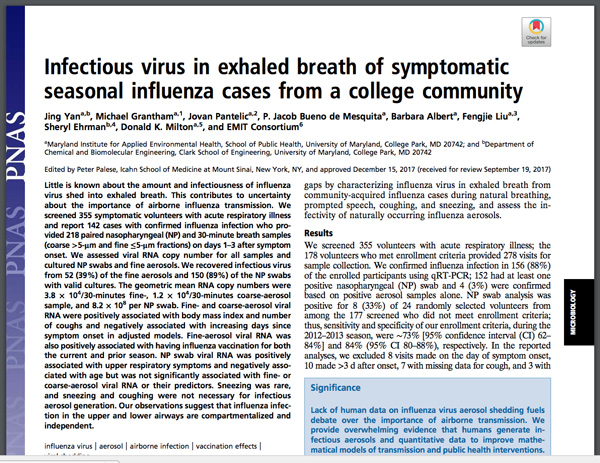
The bombshell finding is documented in a study entitled Infectious virus in exhaled breath of symptomatic seasonal influenza cases from a college community. The study authors are Jing Yan, Michael Grantham, Jovan Pantelic, P. Jacob Bueno de Mesquita, Barbara Albert, Fengjie Liu, Sheryl Ehrman, Donald K. Milton and EMIT Consortium.
Details of this bombshell study have been revealed by Sayer Ji at Green Med Info, a site that’s rapidly becoming one of the world’s most authoritative sources on intelligent analysis of real science. Green Med Info has published 500 studies that document the adverse effects (and injury) of vaccines. Find that extensive list at this link.

630% more aerosolized flu virus particles shed by vaccinated individuals

The study, which examined 355 volunteers who were sick with flu-like symptoms, found that people who previously received flu shots emitted sharply higher quantities of flu virus particles that can infect other people. From the study:
Fine-aerosol viral RNA was also positively associated with having influenza vaccination for both the current and prior season… We provide overwhelming evidence that humans generate infectious aerosols and quantitative data to improve mathematical models of transmission and public health interventions… Our observation of an association between repeated vaccination and increased viral aerosol generation demonstrated the power of our method, but needs confirmation.

Shockingly, people who received prior flu shot vaccinations were found to emit 6.3 times (or 630%) the number of flu virus particles emitted by non-vaccinated individuals.
This means — prepare yourself for this realization — that the most responsible way to avoid infecting other people is to AVOID being vaccinated with flu shots.
People are receive flu shots, in other words, are irresponsible spreaders of the flu. They’re the ones making other people sick, just as we’ve observed for years.

Fig. 2 from the study: Viral shedding: (A) infectious influenza virus (fluorescent focus counts) in NP swabs and fine aerosols and (B) RNA copies in NP swabs, coarse, and fine aerosols. (C and D) Scatter plots and Spearman correlation coefficients of infectious virus plotted against RNA copies for (C) NP swabs and for (D) fine-aerosol samples. (E) The effect of day after symptom onset on RNA copies observed in NP swabs, coarse, and fine aerosols plotted as GM adjusted for missing data using Tobit analysis with error bars denoting 95% CIs. (F–H) The effect of cough frequency on RNA copies observed in (F) NP swabs, (G) coarse aerosols, and (H) in fine aerosols. Coarse: aerosol droplets >5 µm; Fine: aerosol droplets ≤5 µm in aerodynamic diameter.

“Anti-vaxxers” are responsible citizens because they don’t shed viruses and spread disease

Also from the study:
Self-reported vaccination for the current season was associated with a trend (P < 0.10) toward higher viral shedding in fine-aerosol samples; vaccination with both the current and previous year’s seasonal vaccines, however, was significantly associated with greater fine-aerosol shedding in unadjusted and adjusted models (P < 0.01). In adjusted models, we observed 6.3 (95% CI 1.9–21.5) times more aerosol shedding among cases with vaccination in the current and previous season compared with having no vaccination in those two seasons.
In other words — just to repeat this — people who avoided vaccines spread less than 1/6th the number of flu virus particles compared to those who received flu shots. Thus, non-vaccinated people are the ones who don’t spread the flu. The “anti-vaxxers,” it turns out, are the ones protecting the children after all.
Yet to hear vaccine propagandists like Jimmy Kimmel say it, people who don’t get vaccines are very nearly “child murderers.” That’s the false narrative of the corrupt, pseudoscience vaccine industry.

Scientific evidence that the flu vaccine SPREADS the flu

These results reveal the shocking truth about flu vaccines that few have dared utter, for fear of being branded “anti-vaxxers:” Flu vaccines spread the flu. (Is it by design? We’ll cover that in a later article…)
“Clearly, if this finding is accurate and reproducible, flu vaccination may actually make you more likely to infect others,” explains Sayer Ji in his Green Med Info article. “We have been reporting on the conspicuous lack of evidence for flu vaccine effectiveness (and safety) for over a decade, based largely on the underreported failure of the Cochrane Database Review to show them effective (and safe), despite hundreds of industry-funded studies that have attempted to do so. Learn more: http://www.greenmedinfo.com/blog/shocking-lack-evidence-supporting-flu-vacc…”
Far from the current tactic of the vaccine industry blaming non-vaccinated people for spreading disease, this study reveals why it’s actually vaccinated children and adults who keep spreading infectious disease. They are the ones “shedding” the flu virus particles that infect others! (This also explains why flu outbreaks frequently occur among children who were already vaccinated with flu shots.)


Flu vaccine BOMBSHELL: 630% more “aerosolized flu virus particles” emitted by people who received flu shots… flu vaccines actually SPREAD the flu


Image: Flu vaccine BOMBSHELL: 630% more “aerosolized flu virus particles” emitted by people who received flu shots… flu vaccines actually SPREAD the flu
(Natural News) A bombshell new scientific study published in the Proceedings of the National Academy of Sciences (PNAS) finds that people who receive flu shots emit 630% more flu virus particles into the air, compared to non-vaccinated individuals. In effect, this finding documents evidence that flu vaccines spread the flu, and that so-called “herd immunity” is a medical hoax because “the herd” is actually transformed into carriers and spreaders of influenza.
The bombshell finding is documented in a study entitled Infectious virus in exhaled breath of symptomatic seasonal influenza cases from a college community. The study authors are Jing Yan, Michael Grantham, Jovan Pantelic, P. Jacob Bueno de Mesquita, Barbara Albert, Fengjie Liu, Sheryl Ehrman, Donald K. Milton and EMIT Consortium.
Details of this bombshell study have been revealed by Sayer Ji at Green Med Info, a site that’s rapidly becoming one of the world’s most authoritative sources on intelligent analysis of real science. Green Med Info has published 500 studies that document the adverse effects (and injury) of vaccines. Find that extensive list at this link.

630% more aerosolized flu virus particles shed by vaccinated individuals

The study, which examined 355 volunteers who were sick with flu-like symptoms, found that people who previously received flu shots emitted sharply higher quantities of flu virus particles that can infect other people. From the study:
Fine-aerosol viral RNA was also positively associated with having influenza vaccination for both the current and prior season… We provide overwhelming evidence that humans generate infectious aerosols and quantitative data to improve mathematical models of transmission and public health interventions… Our observation of an association between repeated vaccination and increased viral aerosol generation demonstrated the power of our method, but needs confirmation.

Shockingly, people who received prior flu shot vaccinations were found to emit 6.3 times (or 630%) the number of flu virus particles emitted by non-vaccinated individuals.
This means — prepare yourself for this realization — that the most responsible way to avoid infecting other people is to AVOID being vaccinated with flu shots.
People are receive flu shots, in other words, are irresponsible spreaders of the flu. They’re the ones making other people sick, just as we’ve observed for years.

Fig. 2 from the study: Viral shedding: (A) infectious influenza virus (fluorescent focus counts) in NP swabs and fine aerosols and (B) RNA copies in NP swabs, coarse, and fine aerosols. (C and D) Scatter plots and Spearman correlation coefficients of infectious virus plotted against RNA copies for (C) NP swabs and for (D) fine-aerosol samples. (E) The effect of day after symptom onset on RNA copies observed in NP swabs, coarse, and fine aerosols plotted as GM adjusted for missing data using Tobit analysis with error bars denoting 95% CIs. (F–H) The effect of cough frequency on RNA copies observed in (F) NP swabs, (G) coarse aerosols, and (H) in fine aerosols. Coarse: aerosol droplets >5 µm; Fine: aerosol droplets ≤5 µm in aerodynamic diameter.

“Anti-vaxxers” are responsible citizens because they don’t shed viruses and spread disease

Also from the study:
Self-reported vaccination for the current season was associated with a trend (P < 0.10) toward higher viral shedding in fine-aerosol samples; vaccination with both the current and previous year’s seasonal vaccines, however, was significantly associated with greater fine-aerosol shedding in unadjusted and adjusted models (P < 0.01). In adjusted models, we observed 6.3 (95% CI 1.9–21.5) times more aerosol shedding among cases with vaccination in the current and previous season compared with having no vaccination in those two seasons.
In other words — just to repeat this — people who avoided vaccines spread less than 1/6th the number of flu virus particles compared to those who received flu shots. Thus, non-vaccinated people are the ones who don’t spread the flu. The “anti-vaxxers,” it turns out, are the ones protecting the children after all.
Yet to hear vaccine propagandists like Jimmy Kimmel say it, people who don’t get vaccines are very nearly “child murderers.” That’s the false narrative of the corrupt, pseudoscience vaccine industry.

Scientific evidence that the flu vaccine SPREADS the flu

These results reveal the shocking truth about flu vaccines that few have dared utter, for fear of being branded “anti-vaxxers:” Flu vaccines spread the flu. (Is it by design? We’ll cover that in a later article…)
“Clearly, if this finding is accurate and reproducible, flu vaccination may actually make you more likely to infect others,” explains Sayer Ji in his Green Med Info article. “We have been reporting on the conspicuous lack of evidence for flu vaccine effectiveness (and safety) for over a decade, based largely on the underreported failure of the Cochrane Database Review to show them effective (and safe), despite hundreds of industry-funded studies that have attempted to do so. Learn more: http://www.greenmedinfo.com/blog/shocking-lack-evidence-supporting-flu-vacc…”
Far from the current tactic of the vaccine industry blaming non-vaccinated people for spreading disease, this study reveals why it’s actually vaccinated children and adults who keep spreading infectious disease. They are the ones “shedding” the flu virus particles that infect others! (This also explains why flu outbreaks frequently occur among children who were already vaccinated with flu shots.)

“Herd immunity” hoax collapses in the face of real science

Furthermore, the so-called “herd immunity” effect that’s often touted to push more vaccines on everyone has been exposed as a complete hoax by this study. If vaccinated people are the very ones spreading flu virus particles into the air, then the herd is spreading the flu, not preventing it.
“Herd immunity,” it turns out, actually becomes “herd multiplication” of the viral strain, since the herd is “weaponized” into flu virus spreaders. This finally explains why so many children who get infected with the flu (or measles, mumps and other infectious diseases) tend to be the very same children who were vaccinated against those diseases. The vaccines transform children into carriers of the disease, infecting others and contributing to the epidemic. This, in turn, results in panic among the news media, which urges everyone to rush out and get vaccinated as quickly as possible. Within a few days, a second wave of infectious begins to spread, caused by the vaccine itself.
Vaccines, in other words, are self-perpetuating infectious disease spreaders. Their role in society, as currently structured, is to cause infectious disease outbreaks that create a surge in demand for vaccine sales. The media’s role is crucial in all this, as it’s the job of the media to create fear and panic among parents, then urge them to have their children vaccinated. This perpetuates the spread of the disease and sets up the entire scam for another round of outbreaks, panic and vaccine sales.

Read more: https://www.naturalnews.com/2018-01-30-flu-vaccine-bombshell-630-more-aerosolized-flu-virus-particles-emitted-by-people-who-received-flu-shots-flu-vaccines-actually-spread-the-flu.html

Sunday, December 24, 2017

Scientists finally issue warning against canola oil: Study reveals it is detrimental to brain health, contributes to dementia, causes weight gain

If you thought canola oil was one of the “good” oils, think again. Although marketing campaigns position it as healthy, and it’s popular because of its low price, this is one oil that isn’t doing your body much good – as holistic health websites have been warning readers for many years.
A new study has reached several alarming conclusions about canola oil. First, it can increase plaque build-up in the brain, which is a hallmark of Alzheimer’s disease. It can make memory loss in Alzheimer’s patients worse, and impact their learning ability negatively.
Contrast this with olive oil, which has been shown in studies to improve memory impairment in patients with Alzheimer’s. It also reduces the levels of the amyloid plaques in the brain that are linked to tissue loss and cell death in those with this degenerative illness.
In this study, researchers used an animal model that mimics Alzheimer’s in humans as it progresses from the asymptomatic early stages to the full-blown disease. The mice were placed into two groups when they were six months old. One consumed a normal diet, and the other received a normal diet along with the equivalent of two tablespoons of canola oil per day.
When they were assessed a year later, the most obvious difference was the significant weight gain noted in the animals who ate the diet rich in canola oil. Maze tests showed that the animals also had working memory impairments.
When their brain tissue was examined, the mice who ate canola oil had far lower levels of a peptide that protects neurons from damage known as amyloid beta 1-40. They also had higher amounts of amyloid plaques in their brains. In addition, they had a significant reduction in the number of contacts between their neurons, which is a sign of extensive injury.
The researchers say that it’s a big mistake to consider this a healthy oil or to place it on the same level as oils that have proven benefits for your health.
Next, the researchers would like to conduct a study to find out if using canola oil in the short term can lead to damage. In addition, they feel a longer study looking into just how extensive this harm is could be helpful.

Lots of reasons to avoid canola oil

Harvard School of Public Health Adjunct Associate Professor Dr. Guy Crosby told the Daily Mail there are lots of reasons to be concerned about canola oil.
“Most canola is chemically extracted using a solvent called hexane, and heat is often applied which can affect the stability of the oil’s molecules, turn it rancid, destroy the omega-3s in it, and can even create trans fats,” he said.
Trans fats are linked to serious health problems, such as systemic inflammation and a higher risk of developing stroke, heart disease, and type 2 diabetes. And don’t forget the weight gain!
Because canola oil comes from genetically modified rapeseeds, it can reduce kidney and liver function and increase cancer risk.
On top of that, it can deplete your body’s levels of vitamin E and raise your triglycerides by more than 40 percent. It has been linked to a rise in lung cancers, and it increases membrane rigidity, triggering degenerative diseases.
In short, if you care about your health, you’d do well to avoid this nasty oil and stick to natural fats like olive oil and butter.
Sources include:
DailyMail.co.uk
NaturalNews.com
NaturalNews.com

read more: https://www.naturalnews.com/2017-12-22-scientists-finally-issue-warning-against-canola-oil-study-reveals-it-is-detrimental-to-brain-health-contributes-to-dementia-causes-weight-gain.html

Wednesday, December 20, 2017

High aluminum concentrations discovered in brain tissue of autistic children

It’s a well-known fact that even the smallest amount of aluminum, if found in a person’s brain tissue, can become a huge problem. There have also been many studies that look into how having high-levels of aluminum in brain tissue is correlated with neurological conditions such as Alzheimer’s disease. Now a new study puts the spotlight on autism spectrum disorder (ASD), and tests to see if there might be a connection between it and having high-levels of aluminum in the brain.
The study, which was first published in the Journal of Trace Elements in Medicine and Biology, shows some of the highest levels of aluminum ever recorded in human brain tissue. The data was gathered from the brains of 10 donors who had ASD. The study was lead by Dr. Christopher Exley, one of the world’s leading experts on aluminum toxicity, from Keele University.
Using a carefully-crafted two-pronged study method, the researchers of the study were able to measure and characterize aluminum deposits found in the brain tissues of the 10 ASD donors, most of whom reportedly died in their teens or twenties. The results of the study show “consistently high” aluminum levels based on data from both the quantitative component as well as its qualitative component, which is said to represent “some of the highest values for brain aluminum content ever measured in healthy or diseased tissues.”

Findings of the research

The study is interesting for its use of a two-pronged approach that contains both a quantitative as well as a qualitative component. The former required the use of graphite furnace atomic absorption spectrometry or GRAAS, which measures aluminum content in frozen brain tissue samples; the latter uses a technique called fluorescence microscopy to visualize aluminum deposits in the brain. In total, the researchers were able to quantify aluminum levels in 59 tissue samples that were sourced from five different areas of the brain.
After testing, the researchers found that all samples showed a “pathologically significant” level of aluminum, certainly more than what might be considered normal. Male brains in particular showed high aluminum levels, including that from a 15-year old boy with ASD who ended up being the one with the single highest brain aluminum measurement. And as for how exactly all that aluminum ended up in their brains, the research results strongly suggest that it was due to cells that entered while loaded with aluminum in the periphery.
The case is made for the entrance of the aluminum through aluminum adjuvants in vaccines, which are used by vaccine manufacturers to intensify the immune response of vaccine recipients. According to the researchers, the use of aluminum-adjuvant-containing vaccines “has been directly correlated with increasing prevalence of ASD,” particularly in teens and young adults.

Implications for the future

More than half a decade ago, in 2011, a separate study showed that children from countries with the highest ASD prevalence also had the highest exposure to aluminum from vaccines. This goes along nicely with the findings of Dr. Exley, who notes that, “There are no ‘normal’ levels of brain aluminum.” Meaning, “its presence in brain tissue, at any level, could be construed as abnormal.”
Based on the results and conclusions of the study, it may be time to take a closer look at how vaccines are administered, especially since more and more children and teenagers are getting them with each passing day. Not only for the risk of reducing the rates of ASD but also to prevent other conditions such as Alzheimer’s disease. Of course, implementing rules that will change things for the better is a different matter entirely. Time well tell whether or not this improves in the future.
Read more about autism in AutismTruthNews.com.
Sources include:
WorldMercuryProject.org
WorldMercuryProject.org [PDF]
NCBI.NLM.NIH.gov

Read more: https://www.naturalnews.com/2017-12-17-is-autism-a-side-effect-of-metal-toxicity-high-aluminum-concentrations-discovered-brain-tissue.html

Saturday, November 11, 2017

The Republican establishment is a total disgrace for blocking cannabis medicine for wounded veterans – Health Ranger

The Republican establishment recently blocked veterans’ access to medical marijuana, making sure our veterans remain addicted to dangerous, deadly opioids. The Veterans Equal Access amendment was blocked by the Republican-led U.S. House, ensuring that Big Pharma continues to cash in on the biological destruction of returning veterans.
The very political party that claims to be pro-military, in other words, has just thrown veterans to the pharma dogs. This, coupled with the routine prescribing of mind-altering psychiatric drugs to veterans after near-instant “PTSD” diagnoses means that our brave men and women in uniform have in many cases been turned into pharmaceutical receptables for the profit interests of the drug industry.
It is an absolute disgrace that our veterans are being denied access to medical marijuana / cannabis medicine. In making this decision, the GOP establishment has become a shameful embarrassment to this nation, routinely putting the profit interests of their big corporate donors over the humanitarian protection of America’s soldiers and veterans.
My message to the Republican establishment? You should all resign in disgrace. You are hurting America and bringing harm to our veterans. America has no need for your pathetic, corrupt, globalist agendas. The GOP establishment will lose every election from here forward because Democrats hate you and rural Americans are tired of your elitist corruption and collusion with corporate monstrosities like Big Pharma.
And to Sen. John McCain, you are a horrifying disgrace to this nation, our flag, our liberties and all the men and women in uniform. If you wanted to get rid of your own brain tumor, cannabis could help you do it, but you’re too corrupt, stubborn and evil to even consider legalizing this powerful medicine to save your own life. So you allow others to suffer and die just as you commit the same condemnation upon yourself in the name of protecting Big Pharma’s profits. You are an insult to the uniform and a traitor to all those who wear it, and you represent the very worst of the GOP establishment that clearly hates this nation and everything our veterans fought and died for.

Read more: https://www.naturalnews.com/2017-11-09-the-republican-establishment-is-a-total-disgrace-for-blocking-cannabis-medicine-for-wounded-veterans-health-ranger.html

“Adapt” to stress with these 5 adaptogenic herbs

People, especially women, have resorted to various kinds of products and services to reduce stress. Stress, (and anxiety in extension) after all, can lead to a plethora of diseases such as asthma, depression, gastrointestinal problems, obesity, diabetes, and heart disease. The newest solution to fighting off that perpetual exhaustion and boosting your energy levels is in the form of herbal plants called adaptogens that you can add to your favorite drinks, or eat like snacks.
A Russian pharmacologist studied the herbs that Chinese and Indian Ayurvedic doctors had been using to alleviate stress and enhance energy for countless of years. These herbs were labelled as “adaptogens,” and there are now around 20 plants that are considered to be part of these stress-busting plants. Today, these adaptogens are popular additives to food and drinks and are key ingredients in supplements that help reduce stress, boost energy levels, and even increase libido. (Related: 6 Natural Herbs That Our Ancestors Used to Relieve Stress and Insomnia.)
Here are the top five adaptogens to try:
1. Rhodiola – This evergreen perennial loves the cold; you can find it in the mountainous regions of Europe and Asia and at high altitudes in the Arctic. Rhodiola gives you more energy by helping your cells use oxygen more efficiently; therefore it can cure headaches, fatigue, anemia, infections, anxiety, stress-induced depression and even impotence. It can also improve resistance to altitude sickness and increase overall physical performance.
According to GP and nutritionist Dr. Sarah Brewer: “Rhodiola is one of the most effective adaptogens for relieving stress and anxiety, and is also energizing. I take it myself to prevent burnout during busy times. I like the fact that this herbal medicine is regulated by the Medicines and Healthcare Products Regulatory Agency (MHRA) to ensure pharmaceutical quality.”
2. Ashwagandha (Withania somnifera)  – This is a plant that belongs to the Solanaceae family (nightshades), also known as Indian ginseng. It is a staple in Ayurvedic medicine, and is used for combating stress, fatigue, and lack of energy. It is also known to boost concentration.
Nutritional therapist Henrietta Norton has this to say about ashwagandha: “Research has shown it can reduce levels of the stress hormone cortisol by an average of 27.9 percent, and causes a lowering of depression and anxiety scores of more than 70 per cent over eight weeks. It would be difficult to find any other nutrient to have that dramatic an effect.”
3. Jujube (Ziziphus jujuba) – Sometimes called jujuba, this small, deciduous shrub has thorny branches that usually grow between five and 12 meters. Thought to be native to Asia, this has been used in different cuisines or eaten as a snack. The fruits of the Jujube (also called Chinese red dates) can be candied, pickled, smoked or made into tea or wine.
“Jujube are energising, taste great and are a good source of antioxidant polyphenols and soluble fibre. Clinical trials suggest jujube may improve cholesterol levels, sleep and reduce constipation. As a snack, they’re better than a bag of crisps, but you would have to eat them every day for a sustained benefit,” said Dr. Brewer.
4. Tulsi (Ocimum tenuiflorum) – This aromatic perennial plant is widely used in Thai cuisine and its dried leaves can be used as insect repellent. It goes by several names such as thulasi, Thai holy basil or simply holy basil. It is dubbed the “elixir of life” and is sacred to Hindus. Purple tulsi enhances mental clarity and relieves stress-related irritable bowel syndrome (IBS). According to Dr. Brewer, it is “used to improve glucose control, lower blood pressure and relieve anxiety.”
5. Maca (Lepidium meyenii) – The roots of this herbaceous biennial can be cooked as vegetable similar to radishes and turnips, or it can be dried to make maca flour. It improves semen quality and remedies symptoms of menopause.
Rhian Stephenson who is a celebrity fitness trainer, nutritionist and naturopathic doctor said: “There’s a real buzz around adaptogens, but they’re not hippy dippy ingredients. They are quite heavily researched, with studies showing how and why they work to reduce stress hormones in your body.”
Besides the ones listed, there are also lesser-known herbs that fight off stress and anxiety.
Learn more about other types of healing plants at Herbs.news.
Sources include:
DailyMail.co.uk
Stuff.co.nz

Read more: https://www.naturalnews.com/2017-11-09-adapt-to-stress-with-these-5-adaptogenic-herbs.html

Tuesday, November 7, 2017

New York Times confirms Natural News investigation: Mumps now spread mostly by vaccinated children

The New York Times is now confirming that Natural News has been right all along about the real cause of mumps outbreaks in America. In a bombshell article entitled, “Mumps Makes a Comeback, Even Among the Vaccinated,” the NYT admits that vaccinated children are spreading mumps. Via the NYT: (bolding added)
Most of the recent cases occurred in outbreaks, including a large one in Arkansas, rather than as a sporadic here-a-case, there-a-case disease. And most of the outbreaks were among people 18 to 22 years old, most of whom had had the requisite two doses of mumps vaccine in childhood. “We are seeing it in a young and highly vaccinated population,” Dr. Routh said.

New York Times in 2017 confirms what Natural News has been reporting for a decade

Natural News, of course, has repeatedly warned that mumps outbreaks occur predominantly among children who have been vaccinated against mumps, thereby proving that mumps vaccines don’t work. This realization is fully aligned with the shocking science discovery publicized last week that solved the riddle of why flu shots don’t work, too.
Earlier this year, Natural News scooped the New York Times, reporting, “Mumps outbreaks reported among vaccinated children … Is the vaccine causing the outbreaks?”
Even before that, Natural News has been trailblazing truth-based journalism on the topic of vaccines with all the following stories that further support what the New York Times has only now discovered… that mumps vaccines don’t work. Some of the stories we’ve published over the last decade include:
Once again, the news you read on Natural News five or ten years ago is now today’s news in the New York Times. (If you want to stay 5 – 10 years ahead of the game, read Natural News daily.)

When the first vaccine doesn’t work, try a second or third shot, vaccine quacks insist

Pathetically (and predictably), the New York Times is pushing the same old quackery the vaccine industry has historically invoked to try to cover up the fact that their products were only approved based on systematic scientific fraud (see below for details). Essentially, they’re all claiming that the way to stop vaccinated people from spreading mumps is to vaccinate them over and over again with the same vaccine that didn’t work the first time.
Via the NYT: (bolding added)
Dr. Patricia Quinlisk, the medical director and state epidemiologist for the Iowa Department of Public Health, dealt with an outbreak at the University of Iowa and surrounding area in 2015 to 2016 of more than 450 cases of mumps. The students involved had all had their childhood M.M.R. shots, she said, as required by the university, and the decision was made to hold a series of clinics offering a third dose of vaccine.
Indeed, when the first round of mumps vaccine quackery doesn’t work, the answer from the corrupt and scientifically inept vaccine industry is to push a second vaccine, a third vaccine and soon even a fourth mumps vaccine. This, we are told, will magically make them work if we only have ourselves injected enough times.
Mumps vaccines, in other words, generate their own repeat business by not working. This would be the equivalent in the car industry of a car dealer selling you a lemon vehicle that breaks down on the highway, then claiming you need to buy a second or third vehicle to “reinforce” the first car you bought, because that first car was a total piece of junk. In no other industry, by the way, are people so frequently pushed to buy and consume failed products based on such obvious quackery and junk science.
Remember, too, that the whole idea of immunization is that once your body is exposed to the virus, it builds antibodies for life. But in an attempt to explain why mumps vaccines don’t work, the vaccine industry has fabricated a whole new concept rooted in complete fiction: The idea that vaccines “wear off” and need to be repeated over and over again to make sure they “stick.” This anti-science bunk is, of course, peddled for the sole purpose of selling more vaccines even when they don’t really work as claimed.

Here’s the real reason why mumps vaccines don’t work

The real reason why vaccinated people keep spreading the mumps, of course, is because the mumps vaccine is a complete fraud. This fact has been openly admitted by two virologists who worked for Merck, one of the largest manufacturers of the MMR vaccine. As detailed in the Natural News article, “Merck vaccine fraud exposed by two Merck virologists; company faked mumps vaccine efficacy results for over a decade, says lawsuit“:
According to two Merck scientists who filed a False Claims Act complaint in 2010 — a complaint which has just now been unsealed — vaccine manufacturer Merck knowingly falsified its mumps vaccine test data, spiked blood samples with animal antibodies, sold a vaccine that actually promoted mumps and measles outbreaks, and ripped off governments and consumers who bought the vaccine thinking it was “95% effective.”
The PDF document detailing this False Claims Act is posted here.
From the Natural News story:
According to Stephen Krahling and Joan Wlochowski, both former Merck virologists, the Merck company engaged in all the following behavior:
• Merck knowingly falsified its mumps vaccine test results to fabricate a “95% efficacy rate.”
• In order to do this, Merck spiked the blood test with animal antibodies in order to artificially inflate the appearance of immune system antibodies. As reported in CourthouseNews.com:
Merck also added animal antibodies to blood samples to achieve more favorable test results, though it knew that the human immune system would never produce such antibodies, and that the antibodies created a laboratory testing scenario that “did not in any way correspond to, correlate with, or represent real life … virus neutralization in vaccinated people,” according to the complaint.(http://www.courthousenews.com/2012/06/27/478…)
• Merck then used the falsified trial results to swindle the U.S. government out of “hundreds of millions of dollars for a vaccine that does not provide adequate immunization.”
• Merck’s vaccine fraud has actually contributed to the continuation of mumps across America, causing more children to become infected with mumps. (Gee, really? This is what NaturalNews has been reporting for years… vaccines are actually formulated to keep the outbreaks going because it’s great for repeat business!)
• Merck used its false claims of “95 percent effectiveness” to monopolize the vaccine market and eliminate possible competitors.
• The Merck vaccine fraud has been going on since the late 1990’s, say the Merck virologists.
• Testing of Merck’s vaccine was never done against “real-world” mumps viruses in the wild. Instead, test results were simply falsified to achieve the desired outcome.
• This entire fraud took place “with the knowledge, authority and approval of Merck’s senior management.”
• Merck scientists “witnessed firsthand the improper testing and data falsification in which Merck engaged to artificially inflate the vaccine’s efficacy findings,” according to court documents (see below).
Following the unsealing of this 2010 False Claims Act, Chatom Primary Care, based in Alabama, smelled something rotten. Three days ago, Chatom filed a lawsuit against Merck. That lawsuit record is available here.
It alleges, among other shocking things:
[Merck engaged in] …a decade-long scheme to falsify and misrepresent the true efficacy of its vaccine.
Merck fraudulently represented and continues to falsely represent in its labeling and elsewhere that its Mumps Vaccine has an efficacy rate of 95 percent of higher.
In reality, Merck knows and has taken affirmative steps to conceal — by using improper testing techniques and falsifying test data — that its Mumps Vaccine is, and has been since at least 1999, far less than 95 percent effective.
Merck designed a testing methodology that evaluated its vaccine against a less virulent strain of the mumps virus. After the results failed to yield Merck’s desired efficacy, Merck abandoned the methodology and concealed the study’s findings.
…incorporating the use of animal antibodies to artificially inflate the results…
…destroying evidence of the falsified data and then lying to an FDA investigator…
…threatened a virologist in Merck’s vaccine division with jail if he reported the fraud to the FDA…
…the ultimate victims here are the millions of children who every year are being injected with a mumps vaccine that is not providing them with an adequate level of protection. And while this is a disease that, according to the Centers for Disease Control (‘CDC’), was supposed to be eradicated by now, the failure in Merck’s vaccine has allowed this disease to linger, with significant outbreaks continuing to occur.
Chatom Primary Care also alleges that the fraudulent Merck vaccine contributed to the 2006 mumps outbreak in the Midwest, and a 2009 outbreak elsewhere. It says, “there has remained a significant risk of a resurgence of mumps outbreaks…”

Read Vaccines.news to stay years ahead of the mainstream media

What all this proves is that if you really want to stay informed and ahead of the curve on why vaccines fail — and the total science fraud and medical quackery behind them — you need to get your news from independent media sources that aren’t funded by the pharmaceutical industry.
Vaccines.news is one of the best sources on the ‘net to get accurate, honest information that keeps you informed about vaccines. We also cover disease outbreaks at Outbreak.news.
.
https://www.naturalnews.com/2017-11-06-new-york-times-confirms-natural-news-investigation-mumps-now-spread-by-vaccinated-children.html

Saturday, November 4, 2017

SCIENTIFIC PROOF: Flu vaccine found to be completely ineffective because of how it is made, new study finds

A groundbreaking new study published by researchers from The Scripps Research Institute (TSRI) in Florida has determined that the way influenza vaccines have been made practically since their inception is fundamentally flawed, and that the end result renders flu jabs largely ineffective.
It has to do with the way that vaccine developers use chicken eggs as incubators for growing a given season’s influenza virus, a practice that in and of itself is controversial due to the fact that using chicken embryos in vaccines has been linked to causing egg allergies.
For at least the past 70 years, vaccine manufacturers have been injecting influenza viruses into chicken eggs in order to allow them time to replicate. After this replication is complete, the fluid is drained from the eggs and the virus is extracted – the eggs themselves functioning as an artificial growth environment where flu viruses flourish.
But according to the findings of this new study study, which were published in the open-access journal PLOS Pathogens, chicken eggs actually end up disrupting the major antibody target sites on the surfaces of flu viruses, causing them to become less effective later on when they’re injected into human bodies.
“Now we can explain – at an atomic level – why egg-based vaccine production is causing problems,” stated TSRI Research Associate Nicholas Wu, Ph.D., one of the study’s lead authors. [emphasis added]
To keep up with the latest news on vaccines as we approach so-called “flu season,” be sure to visit and bookmark Influenza.news.

The way that vaccines are mass-produced causes them to mutate, rendering them useless

For the study, Wu and his colleagues tested the progression of the H3N2 flu virus as it incubated in chicken eggs. H3N2, after all, is one of several influenza subtypes that has become more prevalent and virulent, which is why it typically ends up in flu vaccines year after year.
Using a high-resolution imaging technique known as X-ray crystallography to take a closer look at H3N2, the team found that a key protein in the virus changes so much during chicken egg incubation that it no longer functions as a match in humans. In fact, the end result is that bird cells rather than human cells end up becoming a better fit.
This mutation is described in the study as L194P, which occurs in H3N2’s hemagglutinin glycoprotein, also known as HA. It is said to completely disrupt the region of the protein that the human immune system can recognize, rendering it completely ineffective in all practical terms.
In order for a flu vaccine (or any other vaccine, for that matter) to be considered effective, it has to actively trigger an immune response inside the body that results in the creation of antibodies to fight off the real thing. But the H3N2 mutation that results from conventional incubation procedures during vaccine production leave the virus impotent, so to speak.
“Any influenza viruses produced in eggs have to adapt to growing in that environment and hence generate mutations to grow better,” admitted Ian Wilson, a Hansen Professor of Structural Biology at TSRI, and the study’s lead senior author.
Adding to this, his colleague Wu urged vaccine producers “to look at this mutation” and work on a solution. He and his colleagues stated that other methods of producing vaccines that will make them more effective “are now being used and explored.”
“There’s a huge need for flu vaccine research,” Wu is quoted as saying.
The ineffectiveness of flu vaccines is nothing new, of course. Natural News has been sounding the alarm about flu vaccine fraud for years, noting further that people take a huge risk every time they agree to have their bodies injected with flu shots, which besides ineffective viruses often contain mercury (Thimerosal), aluminum, and various other toxic adjuvant additives.
Sources for this article include:
ScienceDaily.com
TheRefusers.com
NaturalNews.com

Read more: https://www.naturalnews.com/2017-11-02-scientific-proof-flu-vaccine-found-to-be-completely-ineffective-because-of-how-it-is-made-new-study-finds.html

Friday, October 27, 2017

Red seaweed outperforms chemotherapy for breast cancer

Breast cancer, a major cause of death from cancer for women of all ethnicities, claimed 42,000 lives in the United States in 2014 alone – a truly grim statistic. But a new study – in which seaweed worked better than a leading FDA-approved pharmaceutical medication to combat breast cancer – is raising hopes that this safe, natural superfood could alter the face of cancer treatment as we know it.
Today, we’ll reveal the science behind killing cancer cells with seaweed.

Red seaweed was shown to be clearly superior to tamoxifen for treating cancer

In a groundbreaking animal study published in Nutrition and Cancer, researchers found that edible red tropical seaweed was more effective than tamoxifen – an FDA- approved medication considered the “gold standard” of anticancer drugs – in suppressing experimentally-induced mammary tumors in rats.
First, the researchers divided the rats into three groups. One group was given no treatment whatsoever, while the second group was given tamoxifen and the third was given a type of red seaweed scientifically known as Eucheuma cottonii L. and commonly known as guso. The seaweed group received a dosage of 100 mg/kg of body weight – which translates to roughly 800 mg for a 110 pound human.
And the results were astounding.
A mere four weeks into the study, researchers found that rats in the red seaweed group experienced an astonishing 97 percent decrease in tumor size. (If a pharmaceutical drug achieved this level of success, there is no doubt that manufacturers would be trumpeting the results far and wide!)
But that wasn’t all – red seaweed also boosted the activity of superoxide dismutase and glutathione – a pair of disease-fighting antioxidants – by a stunning 78 percent.
While tamoxifen cut tumor size by 71 percent – a less impressive rate than that achieved by seaweed – it also slashed levels of SOD and glutathione by 60 percent. And, while seaweed presented “zero” toxicity to liver and kidneys, tamoxifen produced visible lesions on these vital organs.

Scientific research affirms seaweed’s time-honored medicinal value

While ancient healing systems – including Traditional Chinese Medicine and Ayurveda – have long used seaweed to fight cancer, Western medicine has been slower to catch on.
Seaweed’s first recorded use in mainstream medicine took place as part of a study in Italy in the 1960s – where an impressive 68 percent of 162 patients recovered after receiving a combination of intramuscular seaweed injections and chemotherapy.
Puzzlingly, there was a lapse of 20 years, in which no further research was performed. Then, in the mid-1980s, Japanese researchers undertook a series of studies – and declared seaweed extracts to be more effective against cancer than conventional chemotherapeutic agents.
Since then, numerous studies have highlighted seaweed’s ability to inhibit the growth of experimentally-generated cancers and to prevent cancer cells from growing and reproducing.
A 2001 Japanese study found that wakame seaweed suppressed breast cancer mammary tumors. And, research conducted at the University of California at Berkeley suggests that consumption of bladderwrack, a type of brown seaweed, can reduce risk of estrogen-related cancers.
Finally, a 2013 study found that polysaccharides in Sargassum vulgare – yet another type of brown seaweed sometimes called hijiki – inhibited breast cancer tumor growth.

Seaweed’s constituents seem tailor-made to ward off cancer

Researchers believe that fucoidan – a polysaccharide found in red and brown seaweed – can directly trigger cancer cell death by promoting the production of caspase, an enzyme that helps to trigger apoptosis – or “cell suicide.” Alginic acid – another natural compound occurring in seaweed – may also contribute to seaweed’s anti-cancer effects.
Naturally high in iodine, seaweed can help correct deficiencies that might otherwise lead to the development of breast cancer.
It is also extremely rich in specific micronutrients believed to offer some protection against cancer. Seaweed is an excellent source of the antioxidant vitamins A, C and E – as well as a good source of B-vitamins such as pantothenic acid, riboflavin and folate.
Essential minerals, including calcium and manganese, round out seaweed’s impressive nutritional profile.

How can I use seaweed to help prevent breast cancer?

The best types of seaweed to consume for breast cancer prevention are brown and red seaweeds, including wakame, guso, kombu – or kelp – hijiki, sargassum, dulse and Irish moss. You can try seaweed toasted, served as a side vegetable, or added to soups, stews and salads.
Many natural healers recommend whole seaweed over kelp supplements, which are produced by superheating seaweed and then grinding it into a powder – a process that may deplete nutritional and medicinal value.
Of course, like any other food, be careful of the source to avoid unwanted contamination.
Important note: For some, seaweed’s high iodine content can be problematic. When kept to about .25 ounces per day, or 7 grams – the amount customarily eaten by millions in Japan – seaweed consumption is safe. However, consumption in the range of 10 to 20 grams of seaweed daily can cause thyroid problems.
To be safe, always talk to a trusted, healthcare professional before making any changes to your dietary habits.
In closing, and interesting to note, rates of breast cancer in Japan – 42.7 cases per 100,000 women – are much lower than U.S. rates (76 per 100,000), and high consumption of seaweed plays a likely role. So, making this intriguing “sea vegetable” a regular addition to your diet may prove to be a wise choice for you.
Editor’s note: My wife and I LOVE to eat this dulse from Iceland – available inside the NaturalHealth365 Store.   It’s so fresh, raw and loaded with valuable vitamins and minerals.  Click here to order today!
Sources for this article include:
JeffreyDachMD.com
Seaweed.ie
BreastCancerConqueror.com
CDC.gov

Read more: https://www.naturalhealth365.com/seaweed-breast-cancer-2328.html