Showing posts with label health. Show all posts

Friday, November 20, 2020

Human ageing process biologically reversed in world first


The ageing process has been biologically reversed for the first time by giving humans oxygen therapy in a pressurised chamber.

Scientists in Israel showed they could turn back the clock in two key areas of the body believed to be responsible for the frailty and ill-health that comes with growing older.

As people age, the protective caps at the ends of chromosomes – called telomeres – shorten, causing DNA to become damaged and cells to stop replicating. At the same time, "zombie" senescent cells build up in the body, preventing regeneration.

Increasing telemere length and getting rid of senescent cells is the focus of many anti-ageing studies, and drugs are being developed to target those areas.

Now scientists at Tel Aviv University have shown that giving pure oxygen to older people while in a hyperbaric chamber increased the length of their telomeres by 20 per cent, a feat that has never been achieved before.

Scientists said the growth may mean that the telomeres of trial participants were now as long as they had been 25 years earlier.

https://www.yahoo.com/news/human-ageing-process-biologically-reversed-153921785.html 

Monday, July 1, 2019

Dandelion Root Kills Cancer Cells

There’s a good chance you have an ancient medicine that is capable of fighting cancer in your yard – and it’s also quite possible that you regularly pull it out or mow right over it. Dandelions might look like weeds, but they could actually be the most valuable thing to ever grow in your garden.
This flowering plant, which may have originated in Eurasia, gets its name from the French “dent de lion”, which mean’s lion’s tooth, on account of its jagged, tooth-like leaves. Known for its high vitamin A content, dandelions have long been used to naturally prevent urinary tract infections as they can impede the growth of microbes within the urinary system.
The plant is known for its liver support, and its tea is often used for detoxification. However, it is the root of the plant that has been getting the most attention lately as its extract has been shown to offer anti-cancer effects. So far, it has killed cancer cells for cancers such as melanoma, pancreatic cancer, leukemia, and colon cancer in animals and lab settings. A phase 1 human clinical trial is already underway to explore its use in end-stage blood cancers like lymphoma and leukemia.
In one study from the University of Windsor in Ontario, dandelion root extract was shown to prompt human melanoma cells to kill themselves within just 48 hours, leaving nearby healthy cells alone. Meanwhile a study published in the International Journal of Oncology found that dandelion tea could reduce prostate and breast cancer cells.
In  addition to its anti-cancer effects, dandelion root can also enhance heart health. Its extract can help treat blood acidity and high blood pressure, and the medicinal root can reduce blood cholesterol and help fat to break down. It can also inhibit inflammation, which is at the heart of many modern chronic illnesses.
The power of the elements: Discover Colloidal Silver Mouthwash with quality, natural ingredients like Sangre de Drago sap, black walnut hulls, menthol crystals and more. Zero artificial sweeteners, colors or alcohol. Learn more at the Health Ranger Store and help support this news site.

How to get the health benefits of dandelion

Dandelion root can be found in capsule, liquid extract or tincture form, and it can even be roasted as a healthy coffee alternative. Although it’s possible to buy prepared dandelion root teas, if you have this plant growing in your yard, it’s quite simple to make the tea yourself. (Unless you use pesticides on your lawn.)
If you want to make your own dandelion root tea, dig the root of the plant up carefully and rinse it off, then chop it up or grind it finely. Food Revolution Network suggests that you use anywhere from half a teaspoon to a full teaspoon at a time, placing it inside a tea bag and steeping it in boiling water for 20 minutes. If you need to harvest a lot at once, you can dehydrate it and store it. They suggest drinking two cups of dandelion root tea per day.
Of course, you can also consume the greens. They’re great in salad, or you can add them to soup or even a smoothie to get more vitamins A, B6, K and C, along with calcium, riboflavin, folate, magnesium, manganese, iron and potassium, among other nutrients.
Stop letting this amazing cancer-fighting plant go to waste and start experimenting with ways to include dandelion in your diet for better health.
Sources for this article include:
FoodRevolution.org
Naturalpedia.com
NaturalNews.com

Read more: https://www.naturalnews.com/2019-06-27-ancient-cancer-fighting-medicine-growing-in-your-yard.html

Wednesday, January 9, 2019

Growing Hemp Legalized In United States

Story at-a-glance

  • Hemp, a species of cannabis plant, has been valued since ancient times for its fibers and seeds, but it’s been illegal to grow in the U.S. for decades
  • The 2018 Farm Bill included a section legalizing hemp production, paving the way for what many are calling the next big cash crop
  • While both marijuana and hemp come from the cannabis plant, hemp is low in tetrahydrocannabinol (THC), which is the substance that produces the “high” associated with marijuana
  • Hemp is beneficial for the soil as it doesn’t require the use of pesticides and has a short growing cycle, making it sustainable
  • Hemp is valued as an omega-3-rich plant food and fiber and has more than 25,000 industrial uses
  • Many of hemp’s health benefits relate to its cannabidiol (CBD) content, which has been found to offer neuroprotective, anti-inflammatory and immunomodulatory benefits
Hemp, a species of cannabis plant, has been valued since ancient times for its fibers and seeds, but it’s been illegal to grow in the U.S. for decades. That all changed in late 2018 with the passage of the 2018 Farm Bill. It included a section legalizing hemp production, paving the way for what many are calling the next big cash crop.
Hemp has many uses, ranging from food to fiber, but it’s also the source of the hemp-derived compound cannabidiol (CBD), which shows promising medical uses. The CBD market in the U.S. was estimated at $600 million in 2018, with projections shooting up over $20 billion by 2022.1
The change in hemp’s legal status was a long time coming and paves the way for this beneficial plant to be treated like other crops, instead of an illegal substance.

The History of Hemp

The legalization of hemp is cause for celebration for more than just hemp supporters, who have been spearheading legalization attempts for decades. The move has ramifications for human health and the environment, now that this plant will no longer be treated as an illicit drug.
Hemp has been valued for thousands of years, with perhaps the oldest discovery of hemp dating back to a piece of hemp fabric from 8,000 B.C.2 As noted by the National Hemp Association, hemp has been used throughout the world for centuries:3
“The spread of cannabis took place from China to the Middle East and the Mediterranean area and, subsequently, to Europe, probably via nomadic peoples. Starting around the year 600, the Germans, Frankish tribes and Vikings produced rope, cloth and garments from hemp fiber.
In the Middle Ages, most people wore hemp sandals. Many farmers grew hemp on a small scale. Since the Middle Ages, the industrial use of hemp has seen a number of peaks.”
In the 17th century, for instance, ships took to the seas with sails and lines made from braided hemp fibers. Hemp clothing was also popular, and Rembrandt used hemp paper for sketching. In the U.S., Presidents Washington and Jefferson grew hemp, and according to the Hemp Industries Association (HIA), “Americans were legally bound to grow hemp during the Colonial Era and Early Republic.”4
By the 19th century, however, alternative materials like cotton and wood pulp began to take hemp’s place, making it less popular. In 1937, the Marijuana Tax Act was passed, which grouped hemp with marijuana, making hemp sales heavily taxed. The financial strain caused may hemp businesses to close and the hemp industry further declined.5
WWII brought with it a brief boost for hemp, with the U.S. Department of Agriculture (USDA) encouraging U.S. farmers to grow the plant and the government offering subsidies for hemp cultivation. About 1 million acres of hemp were planted in the U.S. during that time, and the stiff fiber was used to make parachutes, uniforms, tarps and other products useful to the war industry.
“After the war ended, the government quietly shut down all the hemp processing plants and the industry faded away again,” the HIA noted.6 The final nail in the coffin came with the passage of the Controlled Substances Act of 1970, which grouped hemp and marijuana together as Schedule 1 substances, a classification reserved for drugs with "high potential for abuse" and "no accepted medical use."
Three years later the Drug Enforcement Agency (DEA) was formed to enforce the newly created drug schedules, and the fight against marijuana and hemp use began.

Marijuana Versus Hemp: What’s the Difference?

While both marijuana and hemp come from the cannabis plant, hemp is low in tetrahydrocannabinol (THC), which is the substance that produces the “high” associated with marijuana use. Whereas hemp typically contains 0.3 percent THC or less, marijuana may contain anywhere from 5 to 35 percent THC, according to HIA.
Interestingly, the 0.3 percent for THC in hemp came about quite by accident when a couple of Canadian scientists designated that number in a 1976 report they wrote on the two plants. Later, the DEA used the same number when they were formulating rules to ban hemp and all products with THC in them. The 0.3 percent later became part of federal law with the 2014 Farm Bill, explained later in this article.7
And while the THC percentage varies in marijuana depending on which part of the plant is used, the Alcohol & Drug Institute at the University of Washington says the average THC in marijuana dried leaves and buds in the U.S. can vary from less than1 percent to 20 percent.8
Marijuana is typically used for medicinal or recreational purposes, whereas hemp can be used for a variety of applications ranging from food and medicine to clothing, construction, body care and even plastic. You can’t get high from hemp, but its high CBD content makes it attractive for medicinal purposes.
Further, whereas marijuana must be grown in a carefully controlled atmosphere, hemp is easy to grow and thrives in most climates. Generally speaking, cannabis sativa, which has long and narrow leaves, is grown outdoors and has higher CBD and low THC, producing no psychoactive effects.
Cannabis idica, on the other hand, has shorter, wider leaves, grows best indoors and contains higher THC, which produces the high most recreational marijuana users are after.
However, because many hybrids have been produced, it’s not possible to identify these qualities from plant name alone.9 According to the 2014 Farm Bill, hemp refers to cannabis sativa plants containing 0.3 percent or less of THC, and that definition remained unchanged in the 2018 Bill.

The Slow Progress Toward Hemp Legalization in the US

In 2013, Colorado legalized industrial hemp farming for commercial and research purposes, provided the farmers verified the THC levels and paid for a permit. In 2014, the Farm Bill also included a section that allowed hemp cultivation for select research and pilot programs, and dozens of states introduced pro-hemp legislation to follow.
By 2017, nearly 26,000 acres of hemp were being grown in 19 states.10 Still, in a major waste of taxpayer dollars, the DEA would target hemp farmers. Ministry of Hemp noted that prior to the 2018 legalization:11
“[F]armers in all these states still risk being raided by the DEA, going to prison, and losing their property because the federal policy fail[ed] to distinguish non-drug oilseed and fiber varieties of industrial hemp from the psychoactive drug varieties (i.e., ‘marijuana’)”
Now that hemp has been legalized, it removes restrictions for crop insurance, banking and other barriers to farmers looking for a profitable crop. Senate Majority Leader Mitch McConnell, who spearheaded the bill, believes hemp could replace tobacco as a new cash crop, stating:12
“At a time when farm income is down and growers are struggling, industrial hemp is a bright spot of agriculture’s future. My provision in the Farm Bill will not only legalize domestic hemp, but it will also allow state departments of agriculture to be responsible for its oversight.”
What’s more, hemp is sometimes described as a miracle crop, providing sustainable material to replace trees for paper, for instance, because it has a growing cycle of just four to six months. Hemp is beneficial for the soil as well, as it doesn’t require the use of pesticides due to its dense, deep roots, which repel weeds naturally.13
Because it grows so close together, hemp can be grown in tight spaces, decreasing land use while still leading to high yields because of its fast growing rate. Basically, hemp grows like a weed, tolerating a variety of climates and soil types, and requiring relatively little water. It was even used to extract toxins from the soil at Chernobyl.14

What Will the Legalization of Hemp Mean for CBD Products?

With hemp’s legalization, CBD products, which are already on the upswing, are set to take off. Their legal status is another issue entirely. CBD is technically illegal according to the DEA, and it’s unclear whether it will be reclassified. The U.S. Food and Drug Administration (FDA), meanwhile, classifies CBD as a drug and has no plans to change that. In a statement, FDA Commissioner Dr. Scott Gottlieb said:15
“[T]he FDA requires a cannabis product (hemp-derived or otherwise) that is marketed with a claim of therapeutic benefit, or with any other disease claim, to be approved by the FDA for its intended use before it may be introduced into interstate commerce. This is the same standard to which we hold any product marketed as a drug for human or animal use.
Cannabis and cannabis-derived products claiming in their marketing and promotional materials that they’re intended for use in the diagnosis, cure, mitigation, treatment or prevention of diseases (such as cancer, Alzheimer’s disease, psychiatric disorders and diabetes) are considered new drugs or new animal drugs and must go through the FDA drug approval process for human or animal use before they are marketed in the U.S.”
CBD can come from either marijuana or hemp. Again, the distinction between these two plants hinges on the THC content. Hemp has very little if any THC, whereas marijuana will have varying amounts of THC. Hemp products such as hemp oil and hemp extract are legal.
So even though they may have small amounts of CBD, hemp products such as hemp oil can be lawfully marketed, provided they don’t reference CBD or claim to cure any diseases. This is a potential loophole the CBD industry could use. The drawback is hemp products may not have much CBD in them, and they may not be clinically effective.
That being said, the new legal status will open up hemp and CBD for research, potentially leading to more definitive knowledge about proper dosing and usage. And as noted by the Ministry of Hemp, “Attitudes are already changing. Even before being signed into law, the 2018 Farm Bill inspired the Alabama state attorney general to back off from plans to prosecute CBD stores.”16

The Many Benefits of Hemp

The hoopla over hemp is well deserved. Its seeds contain nearly as much protein as soybeans and all nine essential amino acids, especially arginine, which is beneficial for heart health.
Two main proteins in hemp seed protein, albumin and edestin, are rich in essential amino acids, with profiles comparable to egg white. Hemp's edestin content is among the highest of all plants. Hemp protein is also easy to digest because of its lack of oligosaccharides and trypsin inhibitors, which can affect protein absorption.
Hemp seeds are also an excellent source of plant-based omega-3s and include a balanced 1-to-3 ratio of omega-3 and omega-6 fats. Hemp seeds, especially those with the hulls intact, are also rich in fiber and contain a variety of vitamins and minerals, including vitamin E, magnesium, phosphorous, potassium, zinc and B vitamins.
Many of hemp’s health benefits relate to its CBD content as well, which has been found to offer neuroprotective, anti-inflammatory and immunomodulatory benefits.17 Potential uses for CBD and other hemp extracts include:18,19

Parkinson’s disease

Alzheimer’s disease

Multiple sclerosis
Neuropathic pain Childhood seizure disorders Schizophrenia
Anxiety Depression Addiction
Posttraumatic stress disorder Pain Vomiting and nausea


Medicinal uses aside, hemp seed oil is used in body care products while the fiber can be used to make fabric, clothing, paper and even a recyclable hemp plastic and hemp concrete. There are reportedly more than 25,000 industrial uses for hemp,20 and this probably only scratches the surface of what this versatile plant is good for.
The legalization of hemp in the U.S. will now make it easier for humans and the environment alike to enjoy the benefits of this natural wonder plant once again.

Read more: https://articles.mercola.com/sites/articles/archive/2019/01/08/growing-industrial-hemp-legalization.aspx?utm_source=dnl&utm_medium=email&utm_content=art2&utm_campaign=20190108Z1_UCM&et_cid=DM259304&et_rid=514332196

Wednesday, July 11, 2018

Comprehensive study confirms the cardioprotective effects of blueberries and strawberries

If you’re concerned about a heart attack, there are lots of steps you might take to reduce your risk. Perhaps you’re already exercising and eating a healthy diet, but you’d like to give your efforts that extra edge. Before your doctor convinces you to start taking a long-term regimen of risky medications that may or may not actually be effective, why not turn to nature for an alternative that is as delicious as it is powerful?
A study carried out by researchers from Harvard Medical School revealed just how much two particular berries can help reduce a person’s risk of heart attack: strawberries and blueberries. They looked at health data from more than 93,000 women aged 25 to 42 who participated in the Nurses’ Health Study, which included information about their diet and health over the course of 18 years.
They discovered that the women who ate the fewest blueberries and strawberries had the highest risk of having a heart attack, while those who ate the most of these berries were 34 percent less likely to have a heart attack. Consuming the berries regularly brought about the positive health benefits, and those with the healthiest hearts tended to eat at least three cups per week of the two fruits combined, on average.
These benefits came about regardless of other risk factors like alcohol intake, smoking, exercise, family history of heart attack, age and high blood pressure, which means you can increase your risk even further by combining a boost in your berry intake with other healthy changes.
Studies in mice have also shown blueberries’ value in heart health. Researchers from the University of Maine found that mice who were fed a blueberry-rich diet had significant improvements in how easily their veins expanded and constricted, which had a blood pressure-lowering effect.
Support our mission and enhance your own self-reliance: The laboratory-verified Organic Emergency Survival Bucket provides certified organic, high-nutrition storable food for emergency preparedness. Completely free of corn syrup, MSG, GMOs and other food toxins. Ultra-clean solution for years of food security. Learn more at the Health Ranger Store.

How do berries help your heart?

It is believed that their power comes from their high content of the flavonoids known as anthocyanins. These antioxidants can lower blood pressure and increase the flexibility of blood vessels.
Should you run out and buy supplements that contain these flavonoids? The scientists say no; they work best when you get them from the whole foods themselves, and organic varieties will give you more nutrients without the pesticide risk.
This is excellent news for people with heart concerns because berries are so easy to incorporate into your diet. Of course, a commercial blueberry pie isn’t going to do your heart any favors with its trans fats and high sugar content, but thankfully berries work so well with a number of healthy dishes.
For example, you can get your daily dose at breakfast by mixing some berries into your organic oatmeal or yogurt – be sure you sweeten it yourself with a bit of organic honey rather than buying the sugar-laden prepared varieties. You can work berries into your lunch or dinner by adding them to a salad; they pair extremely well with leafy greens like spinach, and you can make your own quick dressing with balsamic vinegar and extra-virgin olive oil to enhance their flavor and consume some heart-healthy fats. If you’re not inclined to cook, you can munch on a handful of berries as an easy snack at any hour.

Benefits of berry consumption extend beyond your heart

There are plenty of benefits to be gained by eating more berries, and they extend far beyond your heart. For example, regular blueberry consumption has been linked to a lower risk of Alzheimer’s disease, macular degeneration, and urinary tract infections, while strawberries have been found to support the brain, eyes, muscles, joints, and immune system.
Read Fruits.news for more coverage of the healing properties of raw fruits.
Sources include:
NaturalHealth365.com
NaturalNews.com

Read more: https://www.naturalnews.com/2018-07-08-comprehensive-study-confirms-the-cardioprotective-effects-of-blueberries-and-strawberries.html

Saturday, May 12, 2018

Roundup weedkiller more toxic than just glyphosate alone… alarming new findings reveal NON-active ingredients are poisons, too

Just how toxic is Monsanto’s most prolific herbicide, Roundup? While the active ingredient, glyphosate, has long been scrutinized, new research shows that active ingredients in pesticides and herbicides aren’t the only things people should be worried about. As many people have suspected, the so-called “inactive” ingredients featured in weedkillers like Roundup are not so benign after all.
What’s more disturbing: The fact that these purportedly innocuous ingredients are actually poison, or that we’re only just uncovering this sordid detail 40-some-odd years after Roundup’s debut? EPA estimates suggest that around 100 million pounds of Roundup are applied to farms and lawns across the U.S. every year. Just how deep does the Roundup rabbit hole go?

Science shows Roundup is pure poison

The U.S. National Toxicology Program (NTP) recently conducted its first-ever analysis of herbicide formulations that include glyphosate and other chemicals. Apparently, it’s taken over four decades for the government to suspect that perhaps, when glyphosate is combined with other chemicals, it becomes even more hazardous.
As The Guardian explains, while regulators have required that glyphosate be tested in isolation in the past, little to no research has been done on the actual formulations including glyphosate that are sold to consumers.
You might say that this method of handling pesticide regulation is ineffectual — and you’d be right. And it’s only taken forty years for the government to realize this?
Support our mission and enhance your own self-reliance: The laboratory-verified Organic Emergency Survival Bucket provides certified organic, high-nutrition storable food for emergency preparedness. Completely free of corn syrup, MSG, GMOs and other food toxins. Ultra-clean solution for years of food security. Learn more at the Health Ranger Store.
The EPA requested that the NTP conduct an investigation of glyphosate-containing pesticides after the World Health Organization’s International Agency for Research on Cancer (IARC) named glyphosate as a “probable human carcinogen.”
The NTP study has shown that glyphosate formulations are more dangerous than glyphosate is on its own. In their summary, NTP scientists say that glyphosate formulations reduced human cell “viability,” causing disruption in cell membranes.
The Guardian notes further that the NTP’s data shows enhanced toxicity from glyphosate formulations, along with an ability to kill human cells — but the organization is still averse to drawing any sort of meaningful conclusion from their work.
As is typical of government agencies, the NTP is reluctant to say more than that; Mike DeVito, acting chief of the NTP lab, told the Guardian, “We see the formulations are much more toxic. The formulations were killing the cells. The glyphosate really didn’t do it.” Seriously? DeVito says more research is needed, but also noted that they don’t even know what Monsanto actually puts into Roundup.
“We don’t know what the formulation is. That is confidential business information,” he commented. Isn’t that just great? If they don’t know what the formulation is, how can they really prove anything? Maybe that’s the point.

Past research shows similar findings

There are over 4,000 “inert” ingredients approved by the EPA for use in pesticides. These include things like solvents, preservatives, surfactants and other goodies.
In 2015, a study from France showed that the purportedly inactive ingredients in Roundup “amplified its toxicity.” Researchers at the University of Caen found that one “inert” ingredient in particular, polyethoxylated tallowamine, or POEA, was exceptionally toxic.
As Scientific American reported:
“This clearly confirms that the [inert ingredients] in Roundup formulations are not inert,” wrote the study authors from France’s University of Caen. “Moreover, the proprietary mixtures available on the market could cause cell damage and even death [at the] residual levels” found on Roundup-treated crops, such as soybeans, alfalfa and corn, or lawns and gardens.
Despite Monsanto’s attempts at refuting the findings, the French researchers were hopeful that their evidence would inspire health agencies to reevaluate Roundup’s safety. When this research is taken along with the IARC’s contention that glyphosate is probably carcinogenic, it raises serious questions about the safety of this ubiquitous herbicide. It would not be unreasonable to suspect that Roundup is more toxic than anyone appears to be willing to admit.

The great Roundup deception

No one, not even Monsanto itself, seems to be able to accurately gauge the toxicity of Roundup. Government agencies, like NTP, say that they can’t have access to the actual formulation of Roundup. This means that even if they come to an “unfavorable” conclusion, there will always be room for Monsanto’s products to have a “get out of jail free” card, because they weren’t able to test the real thing.
Federal documents obtained via the Freedom of Information Act show that even the EPA is not sure what current formulations for Roundup contain. The NTP has also admitted they don’t really know what’s in Roundup. It’s “confidential,” so no on can ever know what’s in it, apparently — even for the sole purpose of establishing the product’s safety (or lack of it). And we’re not supposed to find that suspicious?
While the government increases their surveillance of innocent people, they’re also letting Monsanto pollute the world with a substance of unknown contents and an immeasurable potential to cause harm. Isn’t that something?
Further, Monsanto itself has been lying about the alleged safety of their flagship product, Roundup. Once again living up to their reputation as the “world’s most evil corporation,” internal emails show that despite being Roundup’s manufacturer, they themselves have no idea what their beloved weedkiller is capable of.
In a 2003 email, a Monsanto scientist  reportedly wrote, “You cannot say that Roundup is not a carcinogen … we have not done the necessary testing on the formulation to make that statement. The testing on the formulations are not anywhere near the level of the active ingredient.”
In 2010, another email exchange revealed this gem: “With regards to the carcinogenicity of our formulations we don’t have such testing on them directly.” So, Monsanto has never actually tested the Roundup product itself — only the glyphosate — which also comes with its fair share of health risks. When will we learn: Corporations can’t be trusted to police themselves.
Stay up-to-date on the latest science on glyphosate at Glyphosate.news.
Sources for this article include:
TheGuardian.com
ScientificAmerican.com
EcoWatch.com

Read more: https://www.naturalnews.com/2018-05-10-roundup-weedkiller-more-toxic-than-just-glyphosate-alone-non-active-ingredients-are-poisons.html

Wednesday, May 9, 2018

Large-scale study proves that cell tower radiation causes cancer… where is the apology from the media for years of LYING about it?

The concept of cell tower radiation causing cancer used to be tinfoil hat territory – or at least that’s what those with vested interests in the technology wanted people to think. Now, however, the body of scientific evidence indicating that cell tower radiation can cause cancer is growing too big to ignore.
The world’s biggest animal study of cell tower radiation, which was carried out by the Ramazzini Institute in Italy, has revealed the dangers of exposure to environmental levels of cell tower radiation. In the study, researchers exposed 2,448 rats to 1.8 GHz GSM radiofrequency radiation in amounts that mimicked those that cell tower antennas give off for 19 hours a day. They found that the female rats had a higher chance of developing malignant brain tumors, while all rats had a higher chance of precancerous conditions and Schwann cell hyperplasia.
This study went the extra mile, allowing the rats to live until their natural death. Four fifths of human cancers occur after people have turned 60, so following the animals over an extended period enabled them to catch late-developing tumors.
The researchers say that their findings are enough to call on the International Agency for Research on Cancer to take another look at the carcinogenicity of radiofrequency radiation on humans.
For decades, the corporate-influenced media has characterized any links between cell towers and cancer as being a “conspiracy theory.” Yet the theory now appears to be scientific fact. “Where is the apology from the lying media on all this,” asked Mike Adams, the Health Ranger, publisher of Science.news and author of Food Forensics. “Now mainstream science is finally catching up to the warnings we published over a decade ago, once again demonstrating that we were years ahead of the nearly illiterate so-called journalists who cover science topics for the fake news media. For years, they insisted there was no link between cell tower radiation and brain tumors, effectively putting billions of people at risk and costing an unknown number of innocent lives,” Adams explained. “Now that the truth comes out, will they retract their false accusations against those of us who were accurately warning the public of the health risks associated with cell towers? Of course not. They are fake news. Only independent media reports real news in the interests of the public.”
Sponsored solution from CWC Labs: This heavy metals test kit allows you to test almost anything for 20+ heavy metals and nutritive minerals, including lead, mercury, arsenic, cadmium, aluminum and more. You can test your own hair, vitamins, well water, garden soil, superfoods, pet hair, beverages and other samples (no blood or urine). ISO accredited laboratory using ICP-MS (mass spec) analysis with parts per billion sensitivity. Learn more here.
It’s worth noting that this study used far lower amounts of radiation than those used by the U.S. National Toxicology Program. That study also found the cancer Schwannoma of the heart in male rats, but it faced some criticism for the high doses used. In the Ramazzini study, however, the exposures were even lower than the “safe” limits set out by the FCC, which means people can be exposed to such levels of radiation legally.

Pregnant women and children urged to be cautious

Pregnant women and children need to be particularly careful about their exposure, according to the study, as the researchers discovered that animals exposed to radio frequency radiation had significantly lower litter weights. Other experts concur, pointing out that the current standards were not reached with this subgroup in mind.
In fact, the current FCC limits were set 20 years ago, when most people didn’t have cell phones and the average call was just six minutes. These days, we all know that cell phone use has risen dramatically, and it’s surprising these limits have not yet been reassessed.
The executive director of Environmental Health Trust, Theodora Scarato, said that several nations already have stricter regulations than the U.S. when it comes to cell tower radiation – namely Russia, Italy, India and China. The group is joining public health experts from places like Israel, France and Belgium in asking governments and the private sector to carry out measures to make cell technology usage safer. For example, they’d like to see campaigns educating the public on how to use these devices safely and the potential dangers of exposure. Meanwhile, technology companies can look into changing software and hardware in ways that reduce people’s exposure.
Late last year, the California Department of Public Health released new guidelines on how people can reduce their exposure to the radio frequency energy released when cell phones send and receive signals from cell phone towers. For example, they suggest that people avoid keeping their phone in their pocket or near their bed at night.
In addition, the California Department of Public Health’s director, Dr. Karen Smith, said that parents should restrict their children’s cell phone use as children’s brains continue to develop throughout their teenage years and can be affected more by cell phone usage.
Read EMF.news for more coverage of electromagnetic radiation and its health implications.
Sources for this article include:
GreenMedInfo.com
NaturalNews.com
IBTimes.com

Read more: https://www.naturalnews.com/2018-05-06-large-scale-study-proves-that-cell-tower-radiation-causes-cancer.html

Saturday, May 5, 2018

FDA hid glyphosate findings from the public after finding weed killer contamination in nearly ALL food

Shocking internal emails, uncovered via the Freedom of Information Act, have revealed yet another scandal: The FDA knew that the toxic weed killer, glyphosate, was contaminating the U.S. food supply — and ignored the dangerous threat posed to American consumers. Apparently, the finding of glyphosate in heavily consumed products like granola bars and corn is of no concern to FDA officials; supervisors have reportedly declared that the glyphosate present in these items doesn’t count because they aren’t part of the agency’s “official” report.
Science be damned; the federal government has a report to write — and now, some are wondering if perhaps somebody, somewhere has already told them what to put in it.
For decades, the FDA has been responsible for testing food samples to ensure that specific quality standards are met. This includes monitoring foods for illegally high amounts of pesticide residues. Until recently, however, the FDA had not been testing for glyphosate residues — a fact that drew much scrutiny from the Government Accountability Office, as well as consumer watchdog organizations.
Glyphosate in and of itself has drawn a lot of criticism, due to its litany of adverse effects on human health and the environment.  The star ingredient of Monsanto’s Roundup came under fire in 2015, after the World Health Organization’s International Agency for Research on Cancer declared that glyphosate was a “probable carcinogen.”  Some research has shown that increasing use of this pesticide may be contributing to the rapid decline of bee populations, as well.
Get CLEAN FOOD and help support our mission to keep you informed: The Health Ranger Store lab verifies everything we sell with accredited testing for heavy metals, microbiology and food safety. Certified organic facility, ISO-accredited on-site laboratory, no GMOs or synthetic ingredients. The world's #1 source of lab-verified clean foods and superfoods for nutritional healing. 600+ products available. Explore now.
Now a string of emails from the FDA show that multiple FDA scientists have found concerning levels of glyphosate residue in everyday foods. In separate investigations, chemists Richard Thompson and Narong Chamkasem found traces of glyphosate that exceeded legal amounts in different foods.
In one email, Thompson wrote to his colleagues, “I have brought wheat crackers, granola cereal and corn meal from home and there’s a fair amount in all of them,” and noted that only his broccoli sample seemed to be free of glyphosate.
Chamkasem’s findings were similar, with the chemist noting that there were exceptionally high amounts of glyphosate residue in corn. In an internal FDA email, Chamkasem reported that they had detected glyphosate in corn at 6.5 parts per million, while the legal limit is 5.0 ppm.
“These emails shatter any remaining faith in the U.S. Food and Drug Administration operating as some sort of defender of public health,” explained Mike Adams, the Health Ranger, founder of CWC Labs and author of Food Forensics. “The fact that the FDA deliberately withheld these alarming findings from the public speaks volumes about the real motivations of this failed agency,” Adams added. “It’s clear to every scientifically-minded person that the FDA goes out of its way to hide the truth about agricultural chemicals in the food supply, most likely to protect the financial interests of chemical pesticide and herbicide corporations which wield tremendous influence over government regulators.”

How the FDA buried its findings while food consumers continued to eat cancer-linked weed killer chemicals

Perhaps what’s most concerning about this is that a supervisor at the FDA essentially waved off this finding. Normally, The Guardian explains, a finding like this is reported to the EPA. However, an FDA supervisor wrote to an EPA official, declaring that the corn tested by Chamkasem was not an “official” sample.
Chamkasem also reportedly uncovered glyphosate residues in oatmeal products and honey in 2016. FDA documents show that after announcing these findings, Chamkasem’s lab was “reassigned to other programs” and the entire investigation was actually suspended temporarily. Again, the FDA declared that these items were not part of their glyphosate residue review.
The fact that foods like wheat and oats are not part of the FDA review is actually highly concerning, as it’s become well-known that farmers use glyphosate as a desiccant. Wheat, oats and other foods are commonly sprayed with glyphosate late in the season to hasten the harvesting process. So, there’s plenty of reason to suspect these foods are also contaminated, even if they aren’t supposed to be treated with glyphosate.
But sadly, as The Guardian notes further, it seems unlikely that either Thompson’s or Chamkasem’s findings will be included in the official FDA report. When asked about glyphosate testing, an FDA spokesperson reportedly stated that “the FDA had not found any illegal levels in corn, soy, milk or eggs, the four commodities it considers part of its glyphosate ‘special assignment.’ The “unofficial findings” from the emails were not addressed.
As usual, big government operates on its own agenda — who is going to hold these people accountable? Read more news on glyphosate at Glyphosate.news.
Sources for this article include:
TheGuardian.com
USRTK.org
TheHealthyHomeEconomist.com

Read more:  https://www.naturalnews.com/2018-05-02-fda-hid-glyphosate-findings-from-the-public-weed-killer-contamination-in-nearly-all-food.html

Sunday, March 4, 2018

Rice is contaminated with Arsenic from pesticide from growing cotton - avoid

Studies have found alarming levels of arsenic in rice. Find out which types of rice have the most arsenic and steps you can take to protect yourself and your family from harm.
For many people, rice is a simple, comforting food. In Asia, rice is an ancient symbol of wealth, success, fertility, and good health.
And for more than half the world’s population, rice is a staple food, making up a large portion of people’s diets.
Brown rice is often considered a healthy choice. It’s a whole grain and a good source of fiber and important nutrients, such as magnesium, selenium, and manganese.
And rice is also sometimes recommended to eat when you’re sick. (I used to love soup with rice when I wasn’t feeling well.)
But there’s a dark side to rice you may not know.
Most of the rice today, whether white, brown, wild, organic, or conventional, is contaminated with arsenic — one of the world’s most toxic poisons.
How did this basic, wholesome food become contaminated? How should you change your cooking and eating habits? Should you give up rice for good?

First, What is Arsenic?

Arsenic is naturally present in the environment. This mineral occurs in the Earth’s crust and is found in soil, water, plants, and animals.
So maybe you’re wondering: How can it be bad if it’s natural?
For one thing, humans have complicated this issue by adding more arsenic to the soil through pesticides and fertilizers.
And arsenic exists in two forms: organic and inorganic. In this usage, organic does not refer to a type of farming. It’s a chemistry term.
Arsenic combined with carbon is organic and mainly found in plant and animal tissues. On the other hand, arsenic with no carbon (and combined with other elements) is inorganic and mainly found in rocks, soil, or water.
Here’s the main thing you need to know: While the toxicity of arsenic varies widely — and both are considered public health concerns — inorganic arsenic is generally considered more toxic than organic arsenic.
Inorganic arsenic has been recognized as a human poison since ancient times. It’s the type most often used in pesticides and fertilizers.
It’s also found in a variety of foods. Chickens are often fed arsenic-containing drugs to make them grow faster. But one of the most common food sources of inorganic arsenic is… you guessed it: rice.
More on why so much arsenic is in rice and what this means for you a little later.

So, How Harmful Is Arsenic?

You can’t tell if arsenic is in your food or drinks because both organic and inorganic arsenic have no smell or taste.
Most of the organic and inorganic arsenic you ingest will leave your body in a few days, according to a statement made by the CDC and information published by the World Health Organization.
But some of the inorganic arsenic (the kind of more concern) will remain in your body for months or even longer.
And frequent exposure to inorganic arsenic, even in low doses, can cause health concerns. Small doses can cause stomach aches, headaches, drowsiness, abdominal pain and diarrhea, and confusion. And larger doses create more serious problems.
Inorganic arsenic can even be deadly. In fact, in ancient Greece, arsenic was often used as a poison for criminals. A dose the size of a pea was found to be fatal.
Long-term exposure to arsenic has been linked to numerous health issues, including:

Arsenic Is Also A Known Human Carcinogen

Arsenic is linked with many types of cancer, including skin, lung, bladder, liver, and kidney, with evidence suggesting lung cancer is the most common cause of arsenic-related mortality.
The International Agency for Research on Cancer classified arsenic as a category 1 carcinogen, meaning it’s known to cause cancer in humans. The U.S. EPA has also determined that inorganic arsenic is carcinogenic to humans.

Arsenic Is A Concern for Pregnant Women and Children

For pregnant women, babies, and children, the situation may be even worse.
Pregnant women who are exposed to arsenic may put their unborn babies at risk of having compromised immune systems while in the womb and in early life.
The U.S. Food and Drug Administration found that high levels of inorganic arsenic during pregnancy are linked to numerous adverse outcomes. For example, exposure to arsenic during pregnancy and infancy can impair a child’s performance on developmental tests.

Arsenic In Rice: Should You Be Concerned?
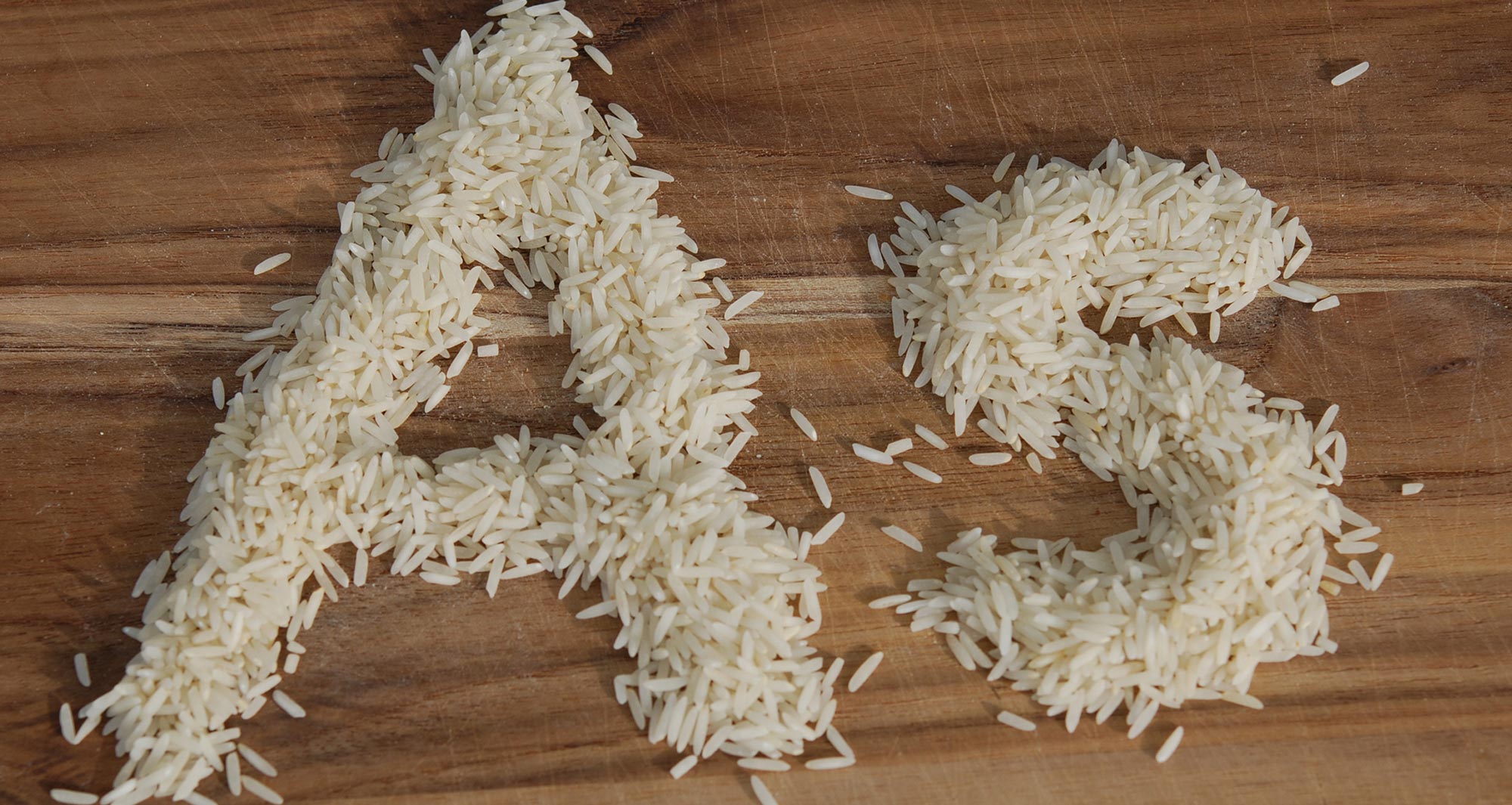
rice in shape of the letters "As"
Rice is an easy, enjoyable food that can bulk up a meal for pennies. But should you stop eating it to avoid the health risks from arsenic?
Consumer Reports tested 223 samples of rice products and found significant levels of arsenic in almost all of them, including white, brown, parboiled, jasmine, basmati, and other types of rice.
Arsenic was found in rice whether it was grown organically or conventionally — and from all regions of the world.

What About Brown Rice and Wild Rice?

Brown rice is generally healthier than white rice (which is stripped of its outer layers, fiber, and beneficial nutrients).
But according to Consumer Reports, brown rice had 80% more arsenic than white rice. Arsenic, along with many valuable nutrients, tends to collect in rice’s brown outer hull.
Wild rice may contain less arsenic, but it depends on the water where it grows.

What About Organic Rice?

Organically-farmed rice may contain fewer pesticides, but all rice soaks up arsenic from the soil.
So organic rice will have fewer toxins overall. But it won’t likely have lower levels of arsenic unless the soil it grew in was never exposed to arsenic — not even 50 years ago.

Which Rice Has The Least Arsenic?

Basmati rice from California, India, or Pakistan is the best choice, according to Consumer Reports data. These types of rice have about one third of the inorganic arsenic compared to brown rice from other regions.
Rice grown in Arkansas, Texas, Louisiana, and most other U.S. states had the highest inorganic arsenic levels. So it’s best to minimize or avoid rice grown in these areas.
You can also check company websites and contact rice companies to see if they conduct independent testing for arsenic levels in their rice.
One brand in particular, Lundberg Farms, is transparent about the problems of arsenic in rice. Their CEO wrote a letter about the issue and how the company is addressing it.

How Does Arsenic Get In Rice?
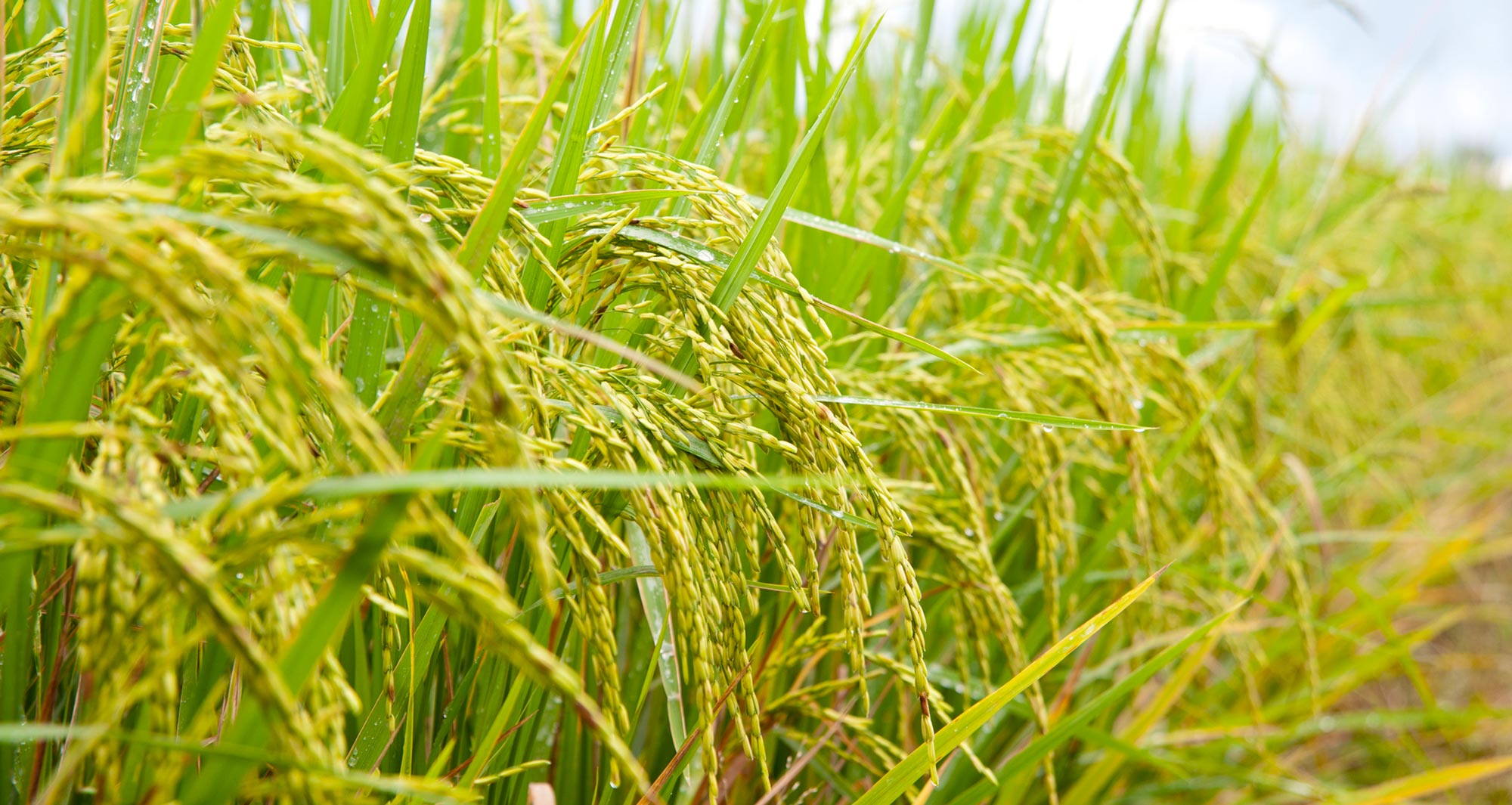
rice field
When arsenic is in the soil, all plants will absorb some of it. But rice is different.
Because it’s grown under flooded conditions (where irrigation water is often contaminated with arsenic), rice absorbs more arsenic than other food crops.
Arsenic-based pesticides were heavily used on crops for decades. And inorganic arsenic can persist in the soil indefinitely.
Even if farmland has been growing organic food for decades, if it was ever exposed to arsenic-contaminated pesticides, these toxins may still persist in the soil today.
Inorganic arsenic compounds and most arsenic-based pesticides have now been banned in agriculture in the U.S. But some may still reach Americans by way of other countries.

Can Arsenic Be Removed from Rice?

rinsing arsenic off of rice
To some extent, arsenic can be washed off. Arsenic is water soluble.
Published studies indicate that cooking rice in excess water (from six to 10 parts water to one part rice), and draining the excess water, can reduce 40 to 60% of the inorganic arsenic content, depending on the type of rice.
And a 2015 study published in PLOS ONE, found a cooking method that reduced arsenic by 85%. They used a filter coffee maker to pass the hot water through the rice as it cooks.
But rinsing rice does remove some of the valuable nutrients.
According to the FDA, rinsing rice may reduce the levels of some nutrients, including folate, iron, niacin and thiamin, by 50 to 70%.
And nutrients were lost during the the coffee filter experiment, too. Approximately 50% of the potassium and 7% of the phosphorus were lost. But the levels of calcium, copper, iron, manganese, sulphur, and zinc did not change significantly.

How to Reduce Arsenic in Rice

If you decide to eat rice, you may want to take these steps:
  1. Choose organic basmati rice from California (or India and Pakistan) if possible.
  2. Rinse rice thoroughly or even better soak it for 48 hours before cooking it, pouring off the water and rinsing it every 8 to 12 hours (like soaking beans).
  3. Cook rice in 6 to 10 parts water to one part rice.
  4. When the rice is done, drain off the extra water after cooking.
Or if you want to try making rice in a coffee maker, Quartz has suggestions here.
Water is often contaminated with arsenic as well, so using filtered water is best. (Learn more about the importance of clean drinking water.)
And think about adding variety to your diet and trying more alternatives to rice.

Rice Recommendations for Parents

The FDA issued a statement discouraging parents to not use rice and rice cereals as a primary food due to arsenic contamination.
Instead, the agency advises parents to feed kids a variety grains and other foods.

Remember Rice Products, Too


High levels of inorganic arsenic have been found in many rice products, too.
For example:
  • Rice milk
  • Brown rice syrup
  • Rice-based pasta
  • Bread made with rice
  • Cereals made with rice
  • Crackers made with rice
  • Cereal bars with rice or brown rice syrup
So it’s important to consider reducing the amount of all rice products you’re eating.
According to tests by Consumer Reports, only one serving of rice cereal or rice pasta could put kids over the maximum amount of rice they recommend in a week.
And rice cakes give kids close to a weekly limit in only one serving!

Why Gluten-Free Eaters Should Be Concerned

If you eat a gluten-free or gluten-reduced diet, you probably know that many products marketed as “gluten-free” contain rice.
People who eat a gluten-free diet or gluten-free products may be more likely to have higher arsenic exposure.
In fact, according to a 2017 study published in the journal Epidemiology people who reported eating a gluten-free diet had, on average, almost two times the amount of arsenic in their bodies compared to people who weren’t gluten-free.
When you buy packaged foods, you may want to check the ingredients for rice and eat less of these foods.
And remember, many healthy foods are naturally free of gluten, such as fresh, whole fruits and vegetables and other gluten-free grains.

Do Other Grains Contain Arsenic?

Consumer Reports also looked into whether grains other than rice have concerning levels of arsenic.
Amaranth, buckwheat, millet, and polenta (grits) had negligible levels of inorganic arsenic. Bulgur, barley, and farro also had very little arsenic.
Quinoa had much lower levels than any of the rice they tested, but the amount varied depending on the sample.

Alternatives to Rice You Should Try

There’s a whole world of grains and other foods worth trying. Why consume mostly rice when you have so many exciting and delicious options?
Here are seven healthy rice alternatives worth trying:

Oats: A Hearty and Affordable Breakfast

Oats and oatmeal are packed with protein and are great for digestion. Eating them can also help you feel full.
Oatmeal makes a popular breakfast option, but try having a bowl anytime when you’re hungry. Or add some oats to your smoothie or smoothie bowl to make it more satisfying.
For a new idea, try these Gluten-Free Oat Waffles.

Quinoa: A Nutty and Wholesome Seed with A Slight Crunch

Quinoa, a pseudograin, has even more fiber and protein than rice. You can serve it like you would rice — plain, seasoned, in casseroles, or with a stir-fry.
And it cooks in about half the time as brown rice (about the same time as white rice). But remember this: When you cook quinoa, try rinsing it first. Rinsing will remove a bit of bitter taste, yielding a sweeter and tastier grain.
You might enjoy this Crustless Quinoa Quiche for breakfast.

Barley: One of The Oldest Consumed Grains in The World

If you’ve had barley, you’ve probably had it in a soup. But this high-fiber grain can do more.
It can work like rice in a number of dishes. Eat it plain as a side or turn it into a pilaf. (Barley does contain gluten, so if you’re gluten-free, you’ll want to avoid it.)

Millet: A Nutritional Powerhouse
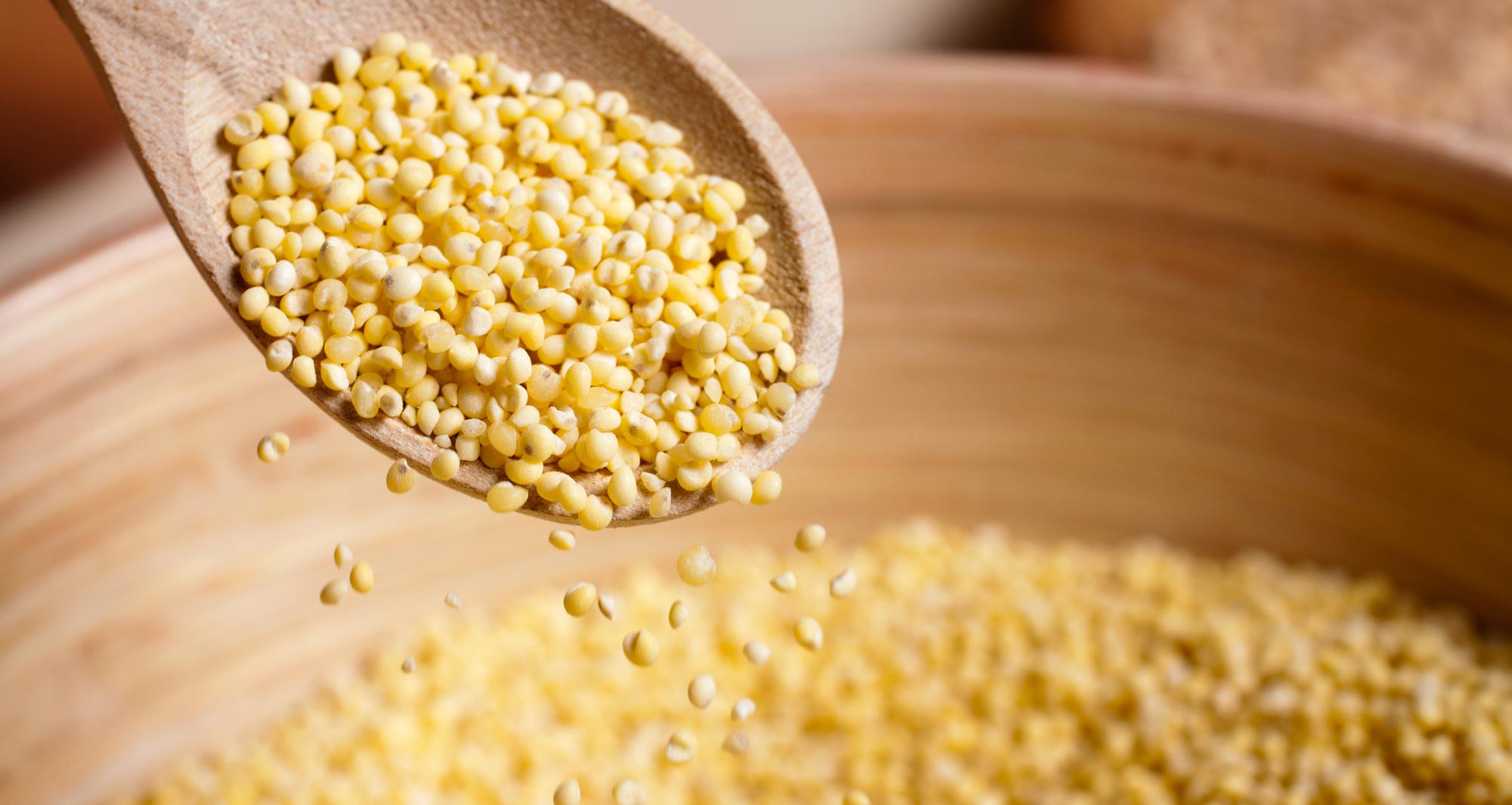
closeup spoonful of millet
Hailing from China, this tiny seed is prized in Africa and South America for its nutrient profile and its culinary flexibility.
The definition of fluffy, millet lends itself well to porridges, sides, and even as a gluten-free base for bread and baked goods.
It also grows in areas with poor soil, making it an excellent tool in the fight against world hunger.

Teff: Said to Be The Tiniest Grain on Earth

A staple in Ethiopian cuisine, teff is a tiny brown grain that packs a hearty nutritious punch.
It cooks more like a porridge than a fluffy side of rice. But its nutty flavor and versatility make it a welcome reprieve from dinner routines.

Amaranth: You May Not Know It, But Can Find It In Most Grocery Stores

Amaranth, also a pseudograin, looks similar to teff and has a slightly sweet and nutty flavor. Plus, it’s higher in minerals than many vegetables.
From savory to sweet, you can use this seed in a variety of dishes or as a thickener for sauces, soups, and stews.

Buckwheat: A Grain Not Related to Wheat
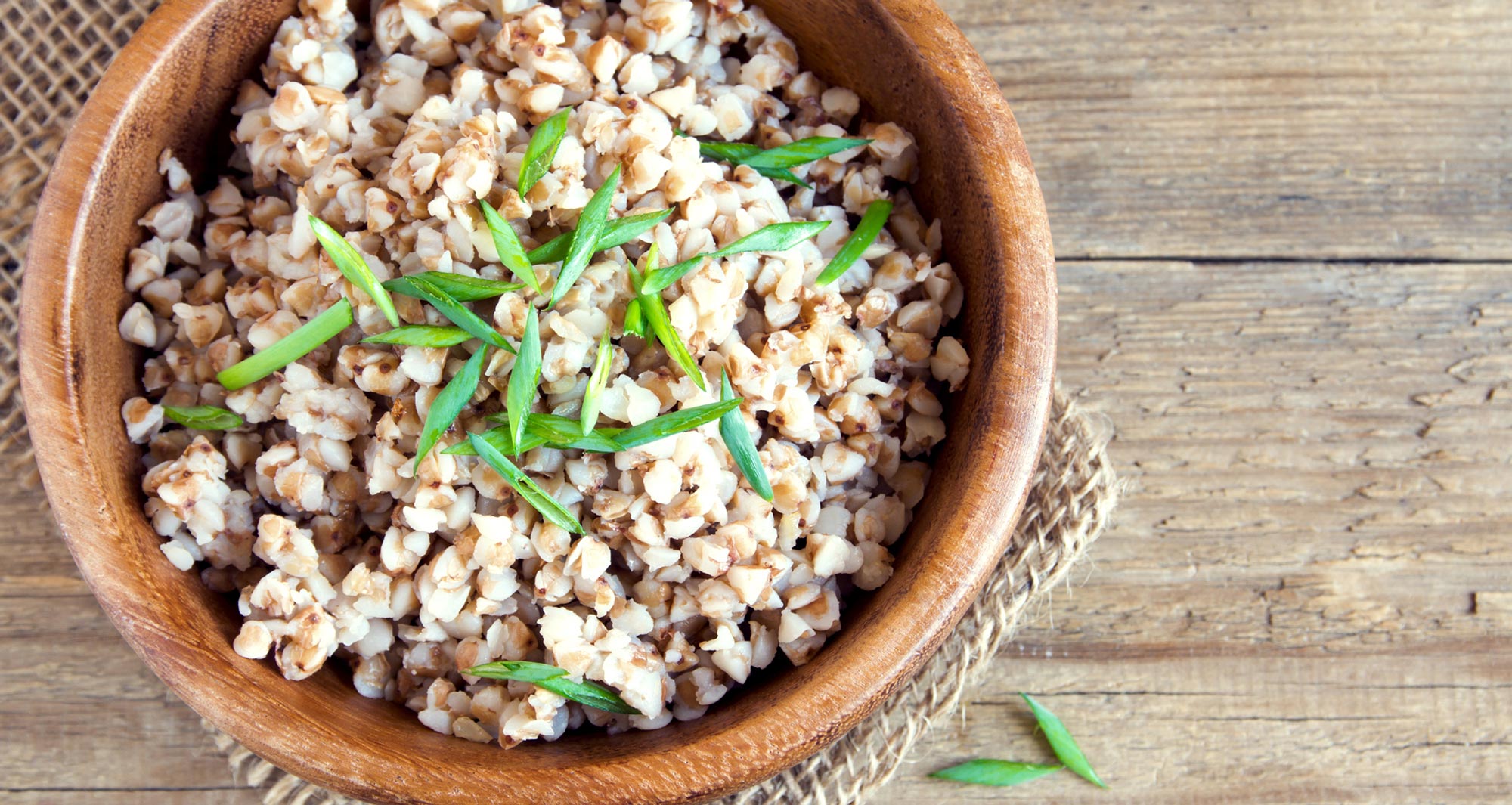
bowl of buckwheat
Despite its name, buckwheat is gluten-free because it’s a pseudograin. It’s similar to quinoa, yet it’s larger and softer.
Buckwheat is loaded with protein — more than any other grain except quinoa. It’s also an excellent source of vitamin B6, magnesium, and potassium.
Looking for a good idea? Try this Harvest Buckwheat Salad.

Cauliflower Rice: Easy to Make and Light and Fluffy
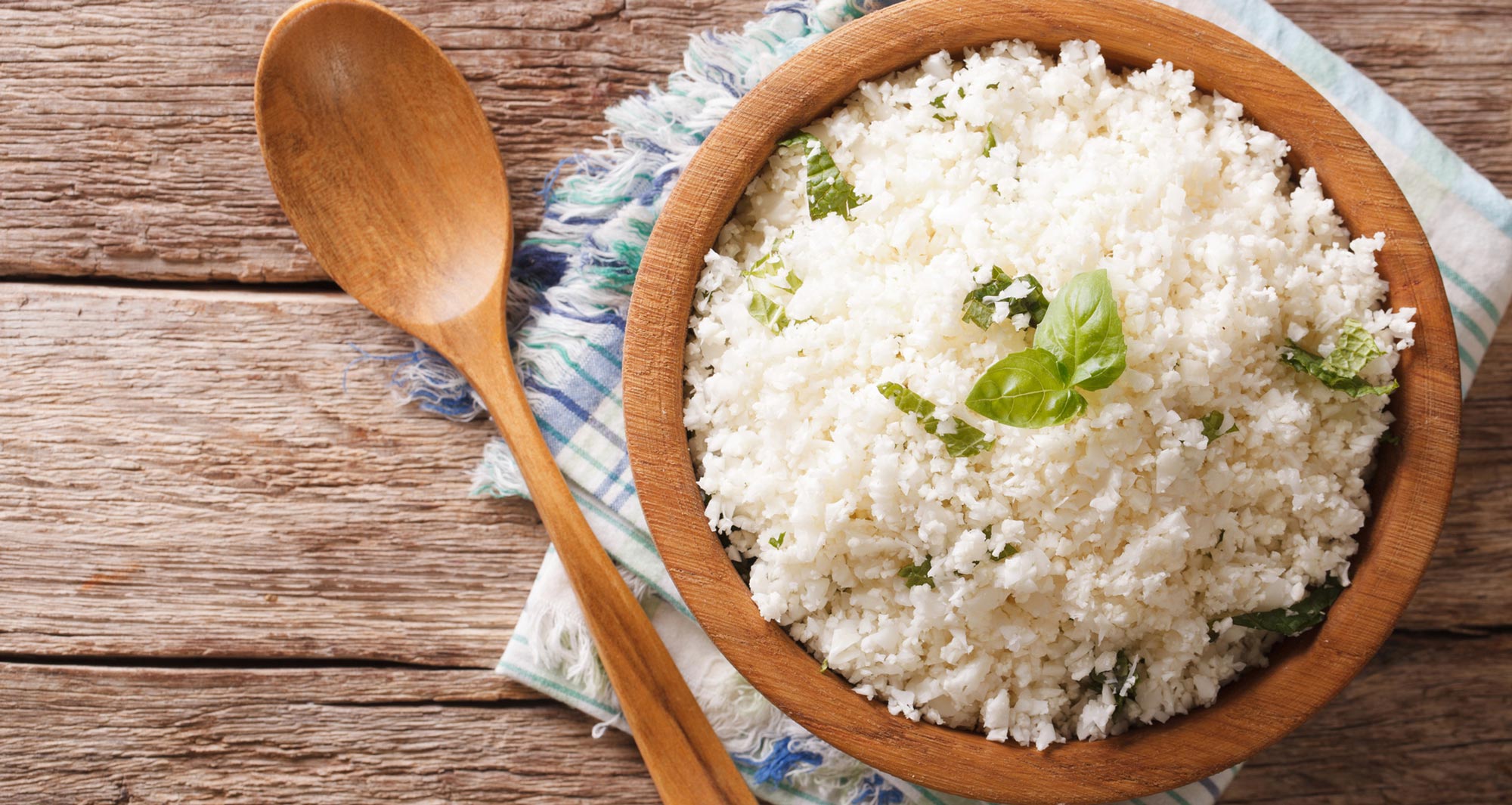
bowl of cauliflower rice
Minced or “riced” cauliflower looks like rice, but it’s totally veggie-powered.
Eating cauliflower rice can be a healthy way to enjoy the outstanding nutrient density of cauliflower while also avoiding arsenic and having your “rice,” too.
But how do you make it? Try this Cauliflower Rice recipe.

Healthy Eating Can Protect You From Arsenic (And Other Contaminants, Too!)

Eating healthy foods and keeping your gut happy and healthy will help your body eliminate toxins and protect you from harm.
Specifically, cruciferous veggies like broccoli, cabbage, kale, and arugula can help. They contain a compound called sulforaphane, which studies have shown can assist with protection from and elimination of arsenic, other heavy metals, and pesticides.
And a 2014 study published in Asian Pacific Journal of Tropical Biomedicine found that moringa (often consumed as a powder) may be useful in reducing the risks of arsenic.

Should You Give Up Rice for Good?


Professor Andy Meharg of Queen’s University Belfast (who has been studying arsenic for decades) equated arsenic to smoking. He told the BBC:
“It’s dose-dependent — the more you eat, the higher your risk is.”
Overall, your best bet is to reduce your rice consumption to about one time per week, rotate in other grains, and aim for a healthy, balanced diet to help your body defend itself from harm.
Most likely, you don’t need to cut out rice completely in order to reduce your exposure significantly.

Read more: https://foodrevolution.org/blog/arsenic-in-rice/?utm_campaign=frn18&utm_medium=email&utm_source=email-automated&utm_content=3531&utm_term=existing-email-list&email=subzerohc%40yahoo.com&firstname=john&lastname=Zahos

Monday, February 26, 2018

Violent crime is down where marijuana use is up, according to new study

New research revealed that increasing the use of medical marijuana brings down the number of violent crime in states bordering Mexico, reported The Guardian.
A study published in The Economic Journal investigated the effects exerted by medical marijuana laws on crime in the U.S. states that border Mexico. The researchers discovered that violent crimes dropped by an average of 13 percent after a state legalized the use of marijuana for medicinal purposes.
According to economist Evelina Gavrilova, medical marijuana laws encourage local farmers to grow legal cannabis. It so happens that the majority of marijuana in the US comes from Mexico, where big drug cartels squabble for control of the illegal drug trade.
“These growers are in direct competition with Mexican drug cartels that are smuggling the marijuana into the US,” she reported. “As a result, the cartels get much less business.”
In addition to cutting into the profits of drug cartels, legal sources of marijuana reduced the need to acquire it through violence. (Related: Jeff Sessions re-criminalizes cannabis nationwide… the full TYRANNY of Washington D.C. lunatics is now on display.)
Gavrilova explained that the drug cartels are locked in a power struggle. In addition to muscling for control of lucrative territory, the cartels often try to steal products from their rivals and kill any witnesses to their activities.
“Whenever there is a medical marijuana law we observe that crime at the border decreases because suddenly there is a lot less smuggling and a lot less violence associated with that,” she said.
Marijuana is not the only drug smuggled by Mexican cartels across the border. They also deal in cocaine, heroin, and metamphetamine.
But the market for cannabis is the biggest in the U.S. It is also the most profitable one for drug cartels.
A pound of marijuana can be produced in Mexico for $75. That same pound is worth thousands of dollars to buyers in the United States, reported The Guardian.

Robbery, murder

Gavrilova’s research team approached the FBI for their data on uniform crime reports and supplementary homicide records for states bordering Mexico. The time period of their study spanned from 1994 to 2012.
According to the results of their research, California enjoyed the biggest drop in crime. Violent crime in the state decreased 15 percent as a result of legalizing marijuana. The effect proved weakest in Arizona, which recorded a seven percent drop in the level of violent crime.
Robbery and murder were the most affected crimes. The former fell by 19 percent, murder dropped by 10 percent, and drug-related homicides plunged by 41 percent.
“When the effect on crime is so significant, it’s obviously better to regulate marijuana and allow people to pay taxes on it rather than make it illegal,” Gavrilova said.
She advocated legalization and regulation of medical marijuana, with tax proceeds going to the national treasury.
Nearly 30 U.S. states have already permitted medical marijuana. Those states have one cannabis dispensary for every six regular pharmacies.
If the findings of the study hold out, full legalization of marijuana in Colorado and Washington will hit the drug trade especially hard. Those two states do not share borders with Mexico.
Setting up large-scale facilities in Colorado and Washington that produce legal marijuana will further reduce the market for smuggled drugs and cost drug lords even more money.
The Guardian reported anecdotal evidence that drug cartels are already setting up their own legal marijuana farms in California to make up for their losses in the illicit drug trade. Other drug lords are reportedly adopting heroin as their new main product, with poppy farms being grown in Mexico to reduce reliance upon supplies from Afghanistan.
Find out more direct ways medical marijuana can benefit people at CannabisCures.news.
Sources include:
TheGuardian.com
OnlineLibrary.Wiley.com

Read more: https://www.naturalnews.com/2018-02-25-violent-crime-is-down-where-marijuana-use-is-up.html

Thursday, February 1, 2018

Flu vaccine BOMBSHELL: 630% more “aerosolized flu virus particles” emitted by people who received flu shots

A bombshell new scientific study published in the Proceedings of the National Academy of Sciences (PNAS) finds that people who receive flu shots emit 630% more flu virus particles into the air, compared to non-vaccinated individuals. In effect, this finding documents evidence that flu vaccines spread the flu, and that so-called “herd immunity” is a medical hoax because “the herd” is actually transformed into carriers and spreaders of influenza.
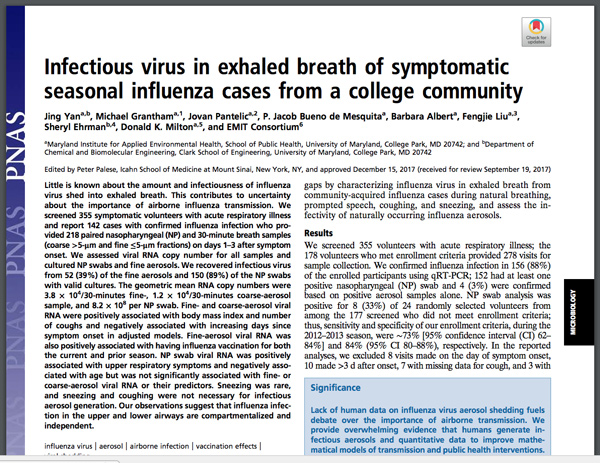
The bombshell finding is documented in a study entitled Infectious virus in exhaled breath of symptomatic seasonal influenza cases from a college community. The study authors are Jing Yan, Michael Grantham, Jovan Pantelic, P. Jacob Bueno de Mesquita, Barbara Albert, Fengjie Liu, Sheryl Ehrman, Donald K. Milton and EMIT Consortium.
Details of this bombshell study have been revealed by Sayer Ji at Green Med Info, a site that’s rapidly becoming one of the world’s most authoritative sources on intelligent analysis of real science. Green Med Info has published 500 studies that document the adverse effects (and injury) of vaccines. Find that extensive list at this link.

630% more aerosolized flu virus particles shed by vaccinated individuals

The study, which examined 355 volunteers who were sick with flu-like symptoms, found that people who previously received flu shots emitted sharply higher quantities of flu virus particles that can infect other people. From the study:
Fine-aerosol viral RNA was also positively associated with having influenza vaccination for both the current and prior season… We provide overwhelming evidence that humans generate infectious aerosols and quantitative data to improve mathematical models of transmission and public health interventions… Our observation of an association between repeated vaccination and increased viral aerosol generation demonstrated the power of our method, but needs confirmation.

Shockingly, people who received prior flu shot vaccinations were found to emit 6.3 times (or 630%) the number of flu virus particles emitted by non-vaccinated individuals.
This means — prepare yourself for this realization — that the most responsible way to avoid infecting other people is to AVOID being vaccinated with flu shots.
People are receive flu shots, in other words, are irresponsible spreaders of the flu. They’re the ones making other people sick, just as we’ve observed for years.

Fig. 2 from the study: Viral shedding: (A) infectious influenza virus (fluorescent focus counts) in NP swabs and fine aerosols and (B) RNA copies in NP swabs, coarse, and fine aerosols. (C and D) Scatter plots and Spearman correlation coefficients of infectious virus plotted against RNA copies for (C) NP swabs and for (D) fine-aerosol samples. (E) The effect of day after symptom onset on RNA copies observed in NP swabs, coarse, and fine aerosols plotted as GM adjusted for missing data using Tobit analysis with error bars denoting 95% CIs. (F–H) The effect of cough frequency on RNA copies observed in (F) NP swabs, (G) coarse aerosols, and (H) in fine aerosols. Coarse: aerosol droplets >5 µm; Fine: aerosol droplets ≤5 µm in aerodynamic diameter.

“Anti-vaxxers” are responsible citizens because they don’t shed viruses and spread disease

Also from the study:
Self-reported vaccination for the current season was associated with a trend (P < 0.10) toward higher viral shedding in fine-aerosol samples; vaccination with both the current and previous year’s seasonal vaccines, however, was significantly associated with greater fine-aerosol shedding in unadjusted and adjusted models (P < 0.01). In adjusted models, we observed 6.3 (95% CI 1.9–21.5) times more aerosol shedding among cases with vaccination in the current and previous season compared with having no vaccination in those two seasons.
In other words — just to repeat this — people who avoided vaccines spread less than 1/6th the number of flu virus particles compared to those who received flu shots. Thus, non-vaccinated people are the ones who don’t spread the flu. The “anti-vaxxers,” it turns out, are the ones protecting the children after all.
Yet to hear vaccine propagandists like Jimmy Kimmel say it, people who don’t get vaccines are very nearly “child murderers.” That’s the false narrative of the corrupt, pseudoscience vaccine industry.

Scientific evidence that the flu vaccine SPREADS the flu

These results reveal the shocking truth about flu vaccines that few have dared utter, for fear of being branded “anti-vaxxers:” Flu vaccines spread the flu. (Is it by design? We’ll cover that in a later article…)
“Clearly, if this finding is accurate and reproducible, flu vaccination may actually make you more likely to infect others,” explains Sayer Ji in his Green Med Info article. “We have been reporting on the conspicuous lack of evidence for flu vaccine effectiveness (and safety) for over a decade, based largely on the underreported failure of the Cochrane Database Review to show them effective (and safe), despite hundreds of industry-funded studies that have attempted to do so. Learn more: http://www.greenmedinfo.com/blog/shocking-lack-evidence-supporting-flu-vacc…
Far from the current tactic of the vaccine industry blaming non-vaccinated people for spreading disease, this study reveals why it’s actually vaccinated children and adults who keep spreading infectious disease. They are the ones “shedding” the flu virus particles that infect others! (This also explains why flu outbreaks frequently occur among children who were already vaccinated with flu shots.)


Flu vaccine BOMBSHELL: 630% more “aerosolized flu virus particles” emitted by people who received flu shots… flu vaccines actually SPREAD the flu


Image: Flu vaccine BOMBSHELL: 630% more “aerosolized flu virus particles” emitted by people who received flu shots… flu vaccines actually SPREAD the flu
(Natural News) A bombshell new scientific study published in the Proceedings of the National Academy of Sciences (PNAS) finds that people who receive flu shots emit 630% more flu virus particles into the air, compared to non-vaccinated individuals. In effect, this finding documents evidence that flu vaccines spread the flu, and that so-called “herd immunity” is a medical hoax because “the herd” is actually transformed into carriers and spreaders of influenza.
The bombshell finding is documented in a study entitled Infectious virus in exhaled breath of symptomatic seasonal influenza cases from a college community. The study authors are Jing Yan, Michael Grantham, Jovan Pantelic, P. Jacob Bueno de Mesquita, Barbara Albert, Fengjie Liu, Sheryl Ehrman, Donald K. Milton and EMIT Consortium.
Details of this bombshell study have been revealed by Sayer Ji at Green Med Info, a site that’s rapidly becoming one of the world’s most authoritative sources on intelligent analysis of real science. Green Med Info has published 500 studies that document the adverse effects (and injury) of vaccines. Find that extensive list at this link.

630% more aerosolized flu virus particles shed by vaccinated individuals

The study, which examined 355 volunteers who were sick with flu-like symptoms, found that people who previously received flu shots emitted sharply higher quantities of flu virus particles that can infect other people. From the study:
Fine-aerosol viral RNA was also positively associated with having influenza vaccination for both the current and prior season… We provide overwhelming evidence that humans generate infectious aerosols and quantitative data to improve mathematical models of transmission and public health interventions… Our observation of an association between repeated vaccination and increased viral aerosol generation demonstrated the power of our method, but needs confirmation.

Shockingly, people who received prior flu shot vaccinations were found to emit 6.3 times (or 630%) the number of flu virus particles emitted by non-vaccinated individuals.
This means — prepare yourself for this realization — that the most responsible way to avoid infecting other people is to AVOID being vaccinated with flu shots.
People are receive flu shots, in other words, are irresponsible spreaders of the flu. They’re the ones making other people sick, just as we’ve observed for years.

Fig. 2 from the study: Viral shedding: (A) infectious influenza virus (fluorescent focus counts) in NP swabs and fine aerosols and (B) RNA copies in NP swabs, coarse, and fine aerosols. (C and D) Scatter plots and Spearman correlation coefficients of infectious virus plotted against RNA copies for (C) NP swabs and for (D) fine-aerosol samples. (E) The effect of day after symptom onset on RNA copies observed in NP swabs, coarse, and fine aerosols plotted as GM adjusted for missing data using Tobit analysis with error bars denoting 95% CIs. (F–H) The effect of cough frequency on RNA copies observed in (F) NP swabs, (G) coarse aerosols, and (H) in fine aerosols. Coarse: aerosol droplets >5 µm; Fine: aerosol droplets ≤5 µm in aerodynamic diameter.

“Anti-vaxxers” are responsible citizens because they don’t shed viruses and spread disease

Also from the study:
Self-reported vaccination for the current season was associated with a trend (P < 0.10) toward higher viral shedding in fine-aerosol samples; vaccination with both the current and previous year’s seasonal vaccines, however, was significantly associated with greater fine-aerosol shedding in unadjusted and adjusted models (P < 0.01). In adjusted models, we observed 6.3 (95% CI 1.9–21.5) times more aerosol shedding among cases with vaccination in the current and previous season compared with having no vaccination in those two seasons.
In other words — just to repeat this — people who avoided vaccines spread less than 1/6th the number of flu virus particles compared to those who received flu shots. Thus, non-vaccinated people are the ones who don’t spread the flu. The “anti-vaxxers,” it turns out, are the ones protecting the children after all.
Yet to hear vaccine propagandists like Jimmy Kimmel say it, people who don’t get vaccines are very nearly “child murderers.” That’s the false narrative of the corrupt, pseudoscience vaccine industry.

Scientific evidence that the flu vaccine SPREADS the flu

These results reveal the shocking truth about flu vaccines that few have dared utter, for fear of being branded “anti-vaxxers:” Flu vaccines spread the flu. (Is it by design? We’ll cover that in a later article…)
“Clearly, if this finding is accurate and reproducible, flu vaccination may actually make you more likely to infect others,” explains Sayer Ji in his Green Med Info article. “We have been reporting on the conspicuous lack of evidence for flu vaccine effectiveness (and safety) for over a decade, based largely on the underreported failure of the Cochrane Database Review to show them effective (and safe), despite hundreds of industry-funded studies that have attempted to do so. Learn more: http://www.greenmedinfo.com/blog/shocking-lack-evidence-supporting-flu-vacc…
Far from the current tactic of the vaccine industry blaming non-vaccinated people for spreading disease, this study reveals why it’s actually vaccinated children and adults who keep spreading infectious disease. They are the ones “shedding” the flu virus particles that infect others! (This also explains why flu outbreaks frequently occur among children who were already vaccinated with flu shots.)

“Herd immunity” hoax collapses in the face of real science

Furthermore, the so-called “herd immunity” effect that’s often touted to push more vaccines on everyone has been exposed as a complete hoax by this study. If vaccinated people are the very ones spreading flu virus particles into the air, then the herd is spreading the flu, not preventing it.
“Herd immunity,” it turns out, actually becomes “herd multiplication” of the viral strain, since the herd is “weaponized” into flu virus spreaders. This finally explains why so many children who get infected with the flu (or measles, mumps and other infectious diseases) tend to be the very same children who were vaccinated against those diseases. The vaccines transform children into carriers of the disease, infecting others and contributing to the epidemic. This, in turn, results in panic among the news media, which urges everyone to rush out and get vaccinated as quickly as possible. Within a few days, a second wave of infectious begins to spread, caused by the vaccine itself.
Vaccines, in other words, are self-perpetuating infectious disease spreaders. Their role in society, as currently structured, is to cause infectious disease outbreaks that create a surge in demand for vaccine sales. The media’s role is crucial in all this, as it’s the job of the media to create fear and panic among parents, then urge them to have their children vaccinated. This perpetuates the spread of the disease and sets up the entire scam for another round of outbreaks, panic and vaccine sales.

Read more: https://www.naturalnews.com/2018-01-30-flu-vaccine-bombshell-630-more-aerosolized-flu-virus-particles-emitted-by-people-who-received-flu-shots-flu-vaccines-actually-spread-the-flu.html